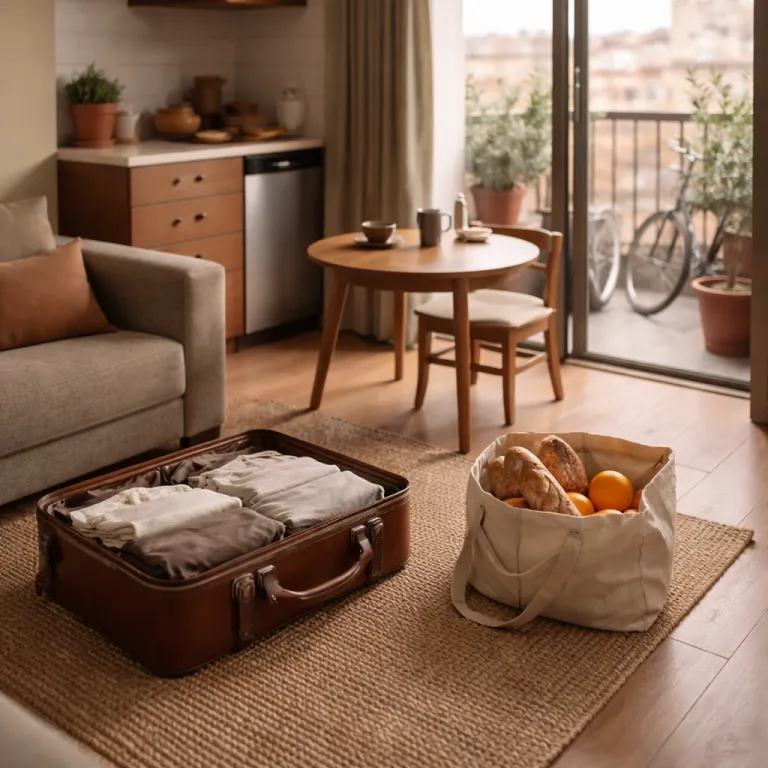
From business trip to bleisure extended stay framework
Bleisure travel extended stay tips start with one decision: treat your two week business trip as the backbone of a richer journey. Remote work and hybrid policies have made it easier for business travelers to stretch a standard corporate itinerary into an extended stay that feels residential rather than transient, especially when employers quietly support longer trips to improve satisfaction. When you plan your travel around weekends and public holidays, you gain extra leisure time without burning more annual leave and make better use of long haul flights.
Bleisure travel means combining business and leisure in one trip, and the most successful bleisure travelers treat the work schedule as a fixed frame then layer leisure activities with the same discipline they apply to meetings. Travel management platforms, flexible bookings and expense tracking tools now help travellers extend stay dates, add personal nights and keep corporate reporting clean while still respecting company policies. Employers, travel agencies and the hotel industry increasingly act as partners in this blended travel trend, because they see that better work life balance often leads to higher productivity and retention according to internal engagement surveys and post trip feedback.
Think of your stay in two acts, with the first focused on business and the second on business leisure that leans into the city. Week one belongs to the central business hotel where you can walk to meetings, while week two shifts to travel hotels or serviced apartments in a local neighbourhood that feels like home. This simple structure helps attract bleisure opportunities, because you can keep work play boundaries clear while still embracing bleisure as a natural part of your professional life and a repeatable model for future trips.
Choosing the right hotels for work, play and life balance
For the first week of a two week business trip, choose a hotel that behaves like a high functioning office with beds. Central locations, fast wired internet and quiet rooms matter more than rooftop pools for business travelers who need to move between client meetings and video calls without friction. Large global hotels near financial districts still dominate this part of the travel market, but the smartest bleisure traveler already thinks about how easily they can extend stay dates into the weekend and whether the corporate rate applies to those extra nights.
For the second week, shift to an extended stay property that feels more like a city apartment than a conventional hotel, because this is where your work life and leisure time start to blend. Brands such as Hyatt House, Marriott Residence Inn and Locke Hotels have built bleisure travel into their DNA with studio style suites, proper kitchenettes, generous desks and social spaces that encourage guests to stay longer. These hotels help attract bleisure travellers by offering laundry rooms, evening socials and coworking style lounges where work play coexist comfortably, which turns a functional stay into a softer, more local experience and often reduces restaurant and dry cleaning costs.
Quiet luxury matters more than spectacle once you settle into an extended stay rhythm, and properties that prioritise calm design, good lighting and intuitive layouts usually serve bleisure travelers best. A quick checklist helps: look for blackout curtains, ergonomic chairs, multiple power outlets near the bed and desk, windows that open where possible and access to green space within a short walk. Over two weeks, these details shape your sense of life balance far more than a dramatic lobby ever will, because the right room makes it easier to close the laptop and step into the city when work ends.
Structuring your time: a practical two week bleisure blueprint
Turning a two week business trip into a real experience starts with a calendar, not a packing list. Map every confirmed meeting, internal workshop and client dinner first, then block non negotiable work time around them so you can see the white space that belongs to leisure activities. This visual plan helps bleisure travelers avoid the classic mistake of over scheduling, which leaves no energy for the city once the laptop finally closes and makes the trip feel like a blur of taxis and conference rooms.
Use weekends and early evenings as anchors for deeper local experiences, especially in cities like Lisbon, Singapore, Dubai, Nashville or Barcelona where neighbourhoods shift character by hour. In Lisbon, for example, a bleisure traveler might spend Saturday morning working from a café in Príncipe Real, then walk down to the river for a late lunch before exploring galleries in the afternoon and budgeting around €60 for food and transport that day. In Singapore, business travellers often base themselves near Marina Bay for meetings, then extend stay nights in Tiong Bahru or Katong where the streets feel more residential and the food scene rewards slow exploration at roughly SGD 40–70 per day for casual meals and local transport.
When you plan your travel hotels this way, you can align work play rhythms with the city rather than fighting them. Early risers might schedule focused work before breakfast, then use long lunch breaks for short local walks or museum visits that reset the brain for afternoon calls. Late chronotypes can reverse the pattern, using quiet evenings for deep work and reserving mornings for movement, which is one of the most underrated bleisure travel extended stay tips for maintaining work life balance over longer trips and avoiding burnout.
Negotiating with corporate travel and maximising value
Corporate policies used to treat business trips and holidays as separate worlds, but the rise of bleisure travel has forced a more nuanced approach. Before you book anything, read your company guidelines carefully and speak with the travel or HR équipe about how they handle extended stay scenarios. Many employers now quietly support bleisure travellers who extend stay dates at their own cost, because they see that this flexibility can improve morale and reduce overall travel fatigue when compared with multiple short hops.
When you negotiate, focus on three levers that matter over a two week stay: rate continuity, loyalty points and flexibility. A simple email script keeps the conversation clear: “I have a confirmed business trip from 3–10 June. I would like to extend my stay privately until 17 June, covering all additional costs myself. Can we apply the corporate rate to the extra nights, keep the same booking reference and ensure loyalty points accrue on the full stay while expenses only reflect the business portion?” Travel agencies and internal travel managers can help attract bleisure friendly deals from the hotel industry, especially in destinations where the travel trend toward longer trips is strong and hotels want to attract bleisure guests during softer nights.
Value is not only about nightly cost, because a well chosen extended stay property can reduce restaurant spending and laundry bills while improving your quality of life. In cities with high room rates, a two bedroom suite shared with a colleague or partner can be surprisingly efficient, and guides such as this overview of spacious two bedroom suite options for extended stays show how configuration matters as much as brand. Over time, these strategic choices turn a routine business leisure itinerary into a repeatable model that respects both your budget and your energy.
Living like a local: neighbourhoods, routines and responsible choices
The real magic of a bleisure extended stay appears when the hotel staff start greeting you by name and the barista downstairs remembers your order. At that point, you are no longer just one of many travelers passing through but part of the local pattern, which changes how you experience both work and leisure. This is where embracing bleisure becomes less about squeezing in tourist activities and more about building a temporary life balance in another city that feels sustainable rather than exhausting.
Choose neighbourhoods that match your rhythms rather than your Instagram feed, because a quiet residential area with a good supermarket, a park within 500 m and a reliable café can transform a two week stay. Extended stay hotels in these districts often attract bleisure travelers who value morning runs, simple home cooked meals and short walks between work sessions and leisure activities. Over time, these routines help guests feel grounded, which is essential when the line between work life and personal time blurs across a longer trip and jet lag lingers.
Responsible choices matter too, especially as the travel industry grapples with sustainability and community impact. If you want to ensure that your bookings support properties that take their environmental responsibilities seriously, use guides that explain how to spot genuine hotel sustainability credentials rather than marketing slogans. Look for clear information on energy use, water reduction, waste management and local hiring, because this kind of due diligence aligns with the wider travel market shift toward meaningful trips, where bleisure travelers expect hotels to respect both their need for comfort and the needs of the neighbourhoods they temporarily call home.
Why bleisure extended stays are reshaping the hotel industry
As remote work normalises longer trips, the rise of bleisure travel is quietly reshaping the hotel industry from design to revenue strategy. Properties that once focused on quick turnover now invest in kitchenettes, laundry rooms and flexible public spaces because they see how these features help attract bleisure guests who stay for ten nights instead of two. Industry surveys from major hotel groups and global distribution systems consistently report that business trips with a leisure component now represent a growing share of corporate travel, especially on long haul routes.
Hospitality providers, employers and travel agencies increasingly collaborate to integrate work and leisure seamlessly, because the expected impact includes higher job satisfaction and better retention. Recent analyses of global booking data describe a steady rise in “business trips with leisure component” across multiple regions, with bleisure stays now accounting for a notable share of measured segments in post pandemic travel reports and internal dashboards. For hotel teams, this means designing services that respect working hours while still curating local activities, from running routes to restaurant reservations, that turn a standard stay into a richer trip.
For travellers, the most useful bleisure travel extended stay tips remain surprisingly human in scale. Pack versatile clothing that works for both client meetings and neighbourhood walks, understand your company policies before you book and give yourself enough time to actually feel the city rather than just ticking sights. When business leisure becomes a thoughtful practice rather than an afterthought, each bleisure traveler helps push the travel trend toward trips that are better for people, companies and the places that host them.
FAQ
What is bleisure travel in the context of an extended stay ?
Bleisure travel means combining business and leisure in one trip, and during an extended stay this usually involves adding personal days before or after work commitments while using the same hotel or serviced apartment. The goal is to improve work life balance, maximise the value of long haul flights and reduce the fatigue of frequent short trips. Employers increasingly accept this model when travellers respect expense policies and clearly separate corporate costs from personal spending.
How can I plan a two week bleisure extended stay with my employer ?
Start by reading your corporate travel policy, then speak with your manager or HR équipe about extending your stay at your own expense. Ask whether the corporate rate can be applied to extra nights, whether loyalty points accrue on the full trip and how to handle expense reports for mixed business leisure itineraries. Travel agencies that manage company bookings can often help structure the itinerary so that work and leisure segments remain clearly documented.
What are the main benefits of turning a business trip into a bleisure stay ?
The primary benefits include enhanced work life balance, more meaningful local experiences and better use of travel time and budget. By extending a business trip, you can explore the destination at a slower pace, which often feels less stressful than separate short holidays. Employers also gain from higher employee satisfaction and potentially lower overall travel costs when trips are consolidated.
How do I choose the right hotel for a bleisure extended stay ?
For the work heavy days, prioritise a central hotel with strong connectivity, quiet rooms and easy access to meeting locations. For the leisure focused part of the stay, look for extended stay hotels or serviced apartments in residential neighbourhoods with kitchens, laundry facilities and comfortable workspaces. Reading detailed reviews that focus on long stay comfort rather than just one night impressions will help you identify properties that genuinely support bleisure travelers.
Which tools can help me manage work and leisure during one trip ?
Travel management platforms, calendar apps and expense tracking software are the core tools for organising a bleisure itinerary. Use your calendar to block work sessions and leisure activities, and rely on expense apps to separate corporate and personal costs in real time. Many extended stay hotels also provide digital concierge services that help you book local experiences without losing focus on your work commitments.