From check in to week three: when hotel technology starts to know you
Minor Hotels has rebuilt its technology foundation so that hotel technology real-time guest intelligence shapes every stage of an extended stay. The group now runs unified guest data, marketing, and operations systems that track preferences in real time, allowing the hotel to adjust room settings, amenities, and service flows while guests settle into a routine. For travelers staying ten nights or more, this means the room experience evolves from a standard arrival to a finely tuned environment where the coffee machine, lighting, and workspace feel calibrated to actual daily patterns.
Mobile check in across Minor Hotels brands now links directly to loyalty profiles, so a guest can bypass reception while the hotel quietly applies past preferences to the new room. Predictive machine learning uses artificial intelligence to pre set temperature, pillow type, and even minibar contents before guests reach the door, turning what used to be routine tasks for staff into automated background processes that free the human équipe for higher value interactions. This shift in technology and management is not about replacing the human touch ; it is about using real time intelligence so staff focus can move from administrative work to creating memorable guest experiences during longer stays.
Behind the scenes, providers such as CONVIO AI, Abra, and Intelity feed operational analytics platforms with live données from reviews surveys, guest feedback, and on property behaviour. Their dashboards show how wait times, housekeeping patterns, and service requests change between a three night visit and a three week stay, giving revenue management teams a real view of which amenities genuinely drive direct bookings for extended stay hotels. As one industry explainer puts it, “What is real-time guest intelligence? It involves using AI to analyze and respond to guest data instantly.”
Smart rooms that remember: extended stay comfort powered by real-time intelligence
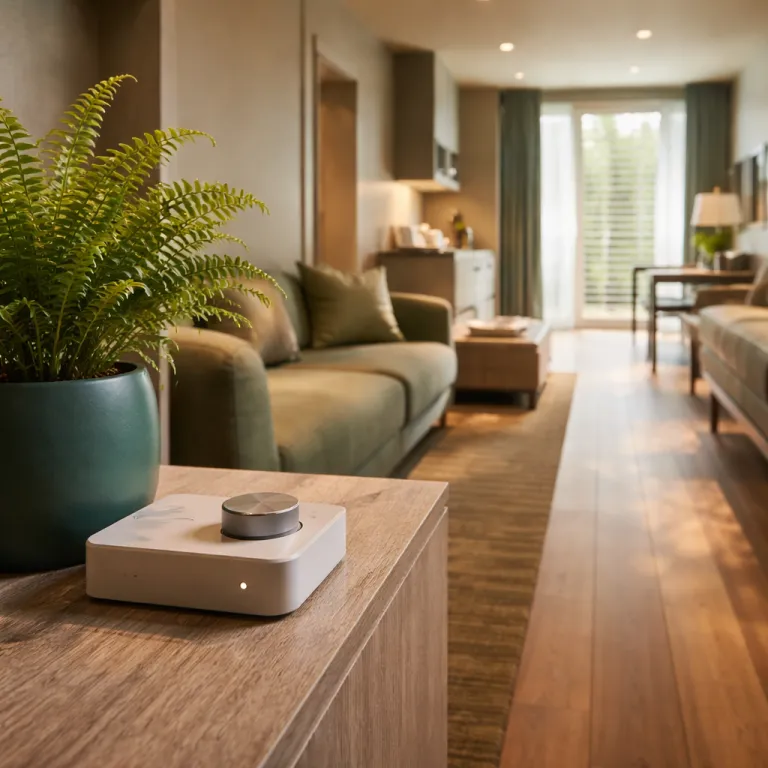
For long stay business leisure travelers, the most telling test of hotel technology real-time guest intelligence is whether the room remembers them after the first night. At properties using platforms from Hospiro Tech, Ameniti, and D3x, artificial intelligence connects in room systems so that lighting scenes, preferred streaming apps, and work desk ergonomics persist across the entire stay, even when guests change rooms or extend their booking. The result is a room experience that feels less like a reset hotel and more like a serviced apartment where the technology quietly adapts in the background.
Virtual assistants on in room tablets or mobile apps now handle many routine tasks, from extra towel requests to maintenance tickets, which improves operational efficiency and reduces perceived wait times for guests working across time zones. These assistants can surface personalized recommendations for nearby restaurants or running routes based on previous choices, while still respecting a clear privacy policy that explains how data is stored and used. When the system flags a pattern, such as repeated late night room service orders, the hotel can adjust staffing and inventory in real time, aligning revenue management with actual guest experiences rather than assumptions.
Extended stay specialists highlighted on platforms such as the Sunshine Inn extended stay review are already leaning into this model, using guest intelligence to refine everything from mattress toppers to pantry stocking. In the wider hospitality industry, about 60 % of hotels now use some form of AI according to recent hospitality technology reporting, and many are layering these tools onto existing property management systems rather than replacing them outright. For travelers, the practical question isn’t whether a hotel uses technology ; it is whether that technology makes the guest experience smoother, more human, and more predictable over a two or three week stay.
From reactive service to anticipatory stays: what this means for your next long booking
Minor Hotels’ overhaul signals a broader shift in future hospitality, where extended stay properties become test beds for hotel technology real-time guest intelligence. Because guests stay longer, hotels can run more nuanced reviews surveys, correlate guest feedback with operational data, and refine service sequences day by day rather than between seasons. This feedback loop lets management teams adjust cleaning frequencies, amenity placement, and even lobby layouts to reduce wait times and improve the flow between work, sleep, and social spaces.
Technology providers such as SiteMinder iQ and Fari add another layer by analysing market données and visual intelligence from cameras and sensors, helping hotels understand how real guest movements differ from design assumptions. Their insights feed into revenue management strategies that prioritise direct bookings for extended stays, where loyalty recognition and rate structures can be tailored to the actual durée of stay. For travelers comparing options, this means that a hotel investing in real time intelligence is more likely to offer consistent Wi Fi, reliable desks, and kitchens that are stocked to match the way guests actually cook and work.
On the ground, this shift is already visible in properties like Hundred Stay Tokyo Shinjuku, where an elegant extended stay review highlights how staff use guest intelligence to fine tune long term comfort without feeling intrusive. As the hospitality industry also responds to regulatory pressure on sustainability and transparency, outlined in analyses of the EU’s crackdown on greenwashing in hotels, the same data and intelligence systems that personalise stays can also track energy use and waste. For discerning guests, the most compelling extended stay hotel will be the one where artificial intelligence handles the background choreography, leaving the human team free to offer the kind of attentive, unhurried service that makes you stop counting nights.