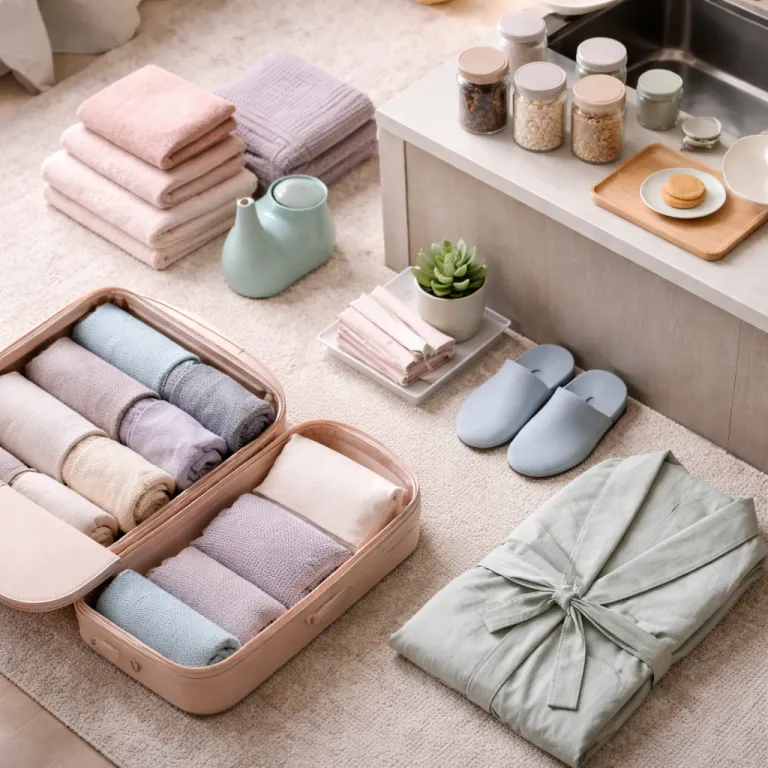
World luxury, quiet design and the new extended stay mindset
High-end travel has shifted from spectacle toward serenity in the extended stay hotel and serviced apartment space. Couples booking a luxury hotel for ten nights or more now value silence, natural light and intuitive layouts over chandeliers and lobby theatrics, because the real experience begins once the Instagram moment fades. This is where the world of luxury travel quietly collides with everyday life, turning a temporary hotel into a lived-in apartment.
Across the global hotel industry, one of the fastest growing premium travel segments is the guest who stays long enough to learn the barista’s name and the rhythm of the neighbourhood. STR and similar benchmarking providers consistently report that many upscale extended stay hotels achieve average lengths of stay above 7–10 nights, with a significant share of guests remaining for several weeks. These travelers treat time as the ultimate luxury, using long-stay suites to slow down, unpack properly and let the city come to them rather than chasing every top attraction. For them, contemporary world luxury is defined by how a room supports their routines, from a kitchen that encourages simple dinners to a desk that makes remote work feel effortless.
Design studios working at the top of the industry now talk about “sensual sustainability” rather than shiny opulence. Natural woods, recycled textiles and organic materials replace glossy marble, because guests living in a space for several weeks feel every surface and notice every acoustic echo. The future of high-end hospitality in extended stay hotels lies in this restrained palette, where excellence is measured by sleep quality, air, tactility and the way staff morale translates into unforced, attentive service. Properties such as the long-stay suites at The Upper House in Hong Kong or the Park Hyatt Tokyo illustrate this approach, with calm interiors, generous storage and layouts that feel more like private residences than showrooms.
World Luxury Day, described by the World Luxury Association as an annual observance celebrating the luxury industry and often referenced in October-focused campaigns, has become a subtle barometer for this shift. The observance brings together members from across the global luxury industry through exhibitions, panel discussions and brand activations that increasingly highlight AI, wellness and ethical progress. For extended stay travelers, this international recognition of craftsmanship and innovation signals which hotel brands are serious about long-term comfort rather than short-term spectacle.
The broader World Luxury Award ecosystem adds another layer of recognition, especially for properties that balance sustainability with indulgence. When a luxury hotel earns hotel awards or travel awards from respected bodies, it tells couples that the property understands both aesthetics and operations over time. In a long-stay context, those awards marketing campaigns only matter if the on-site experience proves that the hotel’s excellence is more than a press release, with details such as in-suite laundry, full-size refrigerators and ergonomic workstations backing up the promise.
Quiet luxury also reframes what exclusive means in the extended stay world. Exclusive access is no longer just about a velvet rope or a private lounge, but about the ability to close the door, dim the lights and hear nothing but your own breathing after a long travel day. In this sense, refined world luxury becomes deeply personal, and the benefit to the world of travelers is a calmer nervous system rather than a louder status signal.
From awards to actual nights: how recognition shapes real stays
Awards in the luxury hotel industry used to be about who had the tallest lobby or the most theatrical restaurant. For extended stay couples, the most meaningful hotel awards now recognise properties where you can cook, work, sleep and reconnect without feeling like you are living in a showroom. In this segment, world luxury is measured in nights, not check-in photos.
When a property wins a category within the World Luxury Award ecosystem or similar travel awards, the signal is only useful if it aligns with how the hotel feels on day ten. International recognition should translate into better soundproofing, more generous wardrobes, laundry access and a restaurant that still feels special on the fourth visit. The best luxury restaurant teams understand that extended stay guests become semi-regulars, so they design menus and service rhythms that reward familiarity rather than constant novelty. The long-stay guests at brands like Residence Inn by Marriott or the extended suites at Four Seasons properties often experience this through rotating menus, flexible portion sizes and staff who remember preferences over weeks.
Restaurant awards and luxury restaurant accolades matter differently for long-stay travelers than for weekend visitors. A couple staying three weeks wants a restaurant that can be both a celebratory dining room and a relaxed canteen, with staff morale strong enough to remember preferences without hovering. In that context, world luxury is the ability to slide from a tasting menu to a simple grilled fish and salad without any shift in warmth or excellence.
For booking platforms like extended-stay-hotel.com, curating high-end extended stays means filtering the noise of generic awards marketing and focusing on lived-in quality. Their guide to the finest Denver hotel suites for luxury and comfort is a good example, highlighting suites where the sofa is comfortable enough for a week of reading and the kitchen is more than decorative. A typical long-stay suite in this category might offer a separate bedroom, a living area with a real dining table, a fully equipped kitchenette with a four-burner cooktop and dishwasher, and access to self-service laundry on the same floor. This kind of editorial curation helps travelers translate abstract recognition into concrete choices.
Behind the scenes, hotel marketing campaigns increasingly revolve around how to enter awards that matter for long-stay guests. Smart general managers only pursue travel awards that align with their operational strengths, using the awards process to audit everything from housekeeping schedules to in-room technology. Industry case studies show that extended stay hotels with weekly housekeeping options, 24/7 laundry rooms and reliable high-speed Wi-Fi often achieve higher guest satisfaction scores than properties focused purely on visual drama. When done well, these campaigns and promotions strategies do more than fill a trophy cabinet; they expose growth opportunities in service design that directly improve the guest experience.
There is also a networking dimension to the world luxury awards circuit that extended stay travelers rarely see but often feel. When hotel leaders attend ceremonies, join global panels and participate in industry networking, they bring back ideas about flexible housekeeping, wellness programming and digital concierge tools that make long stays smoother. Over time, this market-wide exchange of ideas raises standards globally, so couples benefit from better layouts, calmer lobbies and more intuitive room controls whether they are in Lisbon, Kyoto or Denver.
Design and ambiance: where quiet luxury lives day after day
In an extended stay, design and ambiance stop being decorative and become functional companions. The chandelier that dazzles on the first night becomes visual noise by the second week, while the linen quality, blackout curtains and water pressure quietly define your sense of world luxury. Long-stay couples quickly learn that the top properties are the ones where every design choice respects their routines.
Quiet luxury design in a luxury hotel often starts with materials that age gracefully over time. Natural woods, stone floors and textured fabrics feel better on bare feet after a long travel day than polished marble and chrome, especially when you repeat the ritual for fifteen nights. Lighting is layered rather than theatrical, allowing you to shift from working at the dining table to sharing a late glass of wine without feeling like you are on stage.
Spaces that win serious hotel awards for design increasingly prioritise acoustics and zoning over spectacle. A well-planned suite separates the sleeping area from the living space, so one partner can take an early call while the other sleeps, which is a small but profound expression of world luxury. When you stay long enough, these details matter more than any lobby sculpture or oversized floral arrangement.
Extended stay specialists such as the properties featured in the refined king suite hotel stays for extended luxury travel collection understand this shift. They design suites where the dining table doubles as a workstation, the sofa faces both the view and the television, and the kitchen is stocked with real knives and pans rather than token equipment. In many luxury serviced apartments, you will now find induction hobs, full-size refrigerators, ovens, washer-dryers and built-in storage for luggage, so couples can settle in for 14 nights or more without compromise. This is world luxury expressed through competence rather than spectacle, and couples feel the difference every morning.
Ambiance also extends beyond the room into the restaurant and bar, especially when you become a semi-regular. A luxury restaurant that earns restaurant awards for ambiance will often have multiple seating zones, from counter stools for a quick solo breakfast to corner banquettes for long dinners. Over a multi-week stay, this variety allows you to treat the same space as café, office and date night venue without boredom.
Even seemingly peripheral elements like watches, art and scent play a role in the extended stay experience. A restrained art collection and a subtle signature fragrance can make the hotel feel like a calm private residence rather than a themed attraction, which is the essence of quiet world luxury. When every design decision supports rest, focus and intimacy, couples stop counting nights and start feeling at home.
Membership, marketing and the new economics of world luxury stays
Behind the calm surfaces of a world luxury extended stay lies a sophisticated economic engine. Loyalty members, targeted marketing campaigns and carefully structured rates allow hotels to deliver exclusive experiences without constant discount noise. For couples, the benefit is a more stable, less transactional relationship with the property over time.
Membership models in the luxury travel world are evolving from points accumulation toward community and access. When you join a world of like-minded travelers through a hotel’s member programme, the real value is often in soft benefits such as late check-out, preferred room types and invitations to small-scale tastings rather than flashy upgrades. These touches improve staff morale too, because the équipe can focus on recognising familiar faces instead of constantly negotiating entitlements.
On the marketing side, the most effective campaigns and promotions strategies for extended stay guests are almost invisible. Rather than blasting generic offers, sophisticated CRM systems identify couples planning longer trips and present tailored promotions for customer segments who value kitchens, laundry and workspace. This approach supports sustainable customer growth, because it attracts guests who will use the facilities respectfully and return regularly.
For booking platforms like Empire Inn stays reimagined for luxury minded extended travelers, the challenge is to translate this complexity into simple choices. Their role in the world luxury ecosystem is to market extended stay hotels that genuinely deliver on design, ambiance and service, rather than just repeating awards marketing language. When done well, this curation becomes a benefit to the world of travelers who do not have time to decode every press release.
Industry-wide, the global personal luxury goods market was valued at around 345 billion euros in 2023, within a broader luxury sector estimated at roughly 1.5 trillion euros in 2023 according to Statista’s 2023 luxury market reports, with a growth rate above 5 % in recent years. As more couples choose to spend their travel time in fewer places for longer periods, hotels that invest in quiet luxury design and thoughtful membership structures will see disproportionate customer growth. The growth expose effect is clear; properties that align their marketing campaigns with real guest needs enjoy higher retention, better reviews and more organic networking among satisfied guests.
World Luxury Day, referenced by the World Luxury Association as an annual observance celebrating the luxury industry, plays a subtle but important role in this shift by spotlighting craftsmanship, innovation and ethical progress across the industry. Its exhibitions, editorial features and sustainability initiatives encourage hotels and restaurants to enter awards that reward substance over spectacle, which gradually raises expectations for what a luxury hotel or luxury restaurant should feel like over weeks, not hours. As the World Luxury Award ecosystem continues to highlight these values, extended stay travelers quietly reap the benefits in the form of calmer rooms, kinder service and more thoughtful spaces.
Key figures shaping world luxury extended stays
- The global luxury market, including personal goods, experiences and hospitality, was estimated at around 1.5 trillion euros in 2023, and this scale gives the hotel industry both the responsibility and the resources to invest in quieter, more sustainable extended stay concepts (Statista, global luxury market value, 2023, based on reports such as “Value of the global personal luxury goods market from 1996 to 2023”).
- The luxury goods market has been growing at roughly 5–6 % annually in recent years, a pace that encourages hotel brands to shift part of their investment from short-term spectacle toward long-term comfort for extended stay guests (Statista, luxury goods market growth rate, 2019–2023, including 2023 personal luxury goods analyses).
- World Luxury Day, described by the World Luxury Association as an annual observance celebrating the luxury industry and often associated with October initiatives, concentrates global attention on craftsmanship, innovation and ethical progress, which indirectly pushes hotels and restaurants to refine their extended stay offerings each year (World Luxury Association, background notes on the World Luxury Award ecosystem and World Luxury Day).
References
- Statista – Global luxury market value and luxury goods market growth rate (for example, 2023 reports such as “Value of the global personal luxury goods market from 1996 to 2023” and related analyses of the global luxury sector).
- World Luxury Association – Background information on the World Luxury Award ecosystem and the description of World Luxury Day as an annual observance celebrating the luxury industry, including press materials and award documentation.
- Hotel brand case studies – Publicly available information on extended stay offerings at properties such as The Upper House (Hong Kong), Park Hyatt Tokyo, Residence Inn by Marriott and other luxury long-stay suites and serviced apartments, illustrating quiet luxury design and long-stay services.