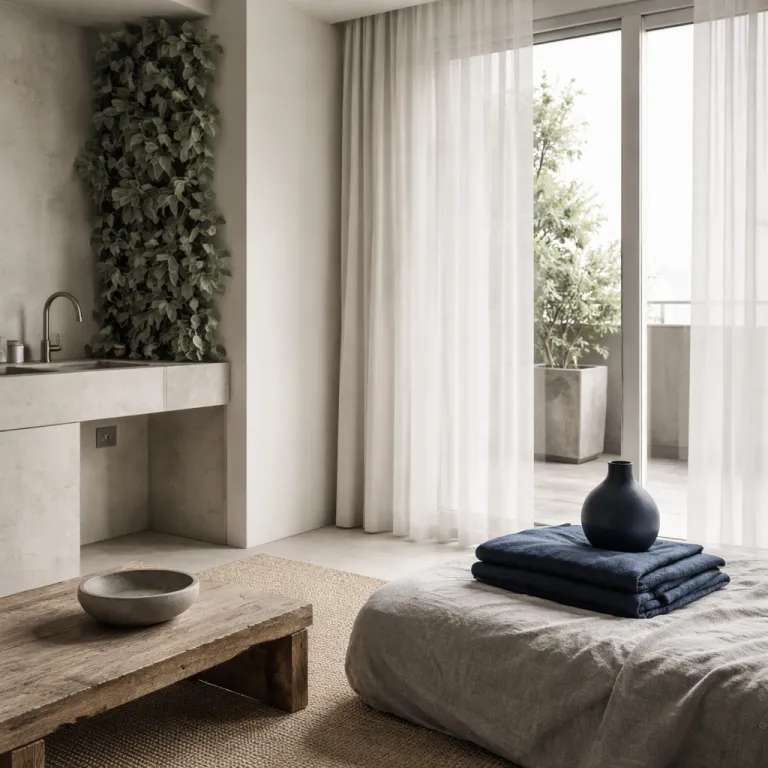
Why sensual sustainability matters more when you stay longer
Luxury used to mean polished stone, heavy drapes, and a distant skyline. In extended stay hotels, sensual sustainability now means biophilic hotel design where sustainable luxury is something you feel in your lungs, your skin, and your sleep. After two weeks in the same room, the difference between synthetic gloss and naturally grounded comfort is no longer theoretical.
In this new era of hospitality, sensual sustainability is not a slogan; it is, as one expert defines it, “design that integrates sustainability to enhance guest comfort and well-being.” When you book a hotel for three nights, you notice the view and the spa, but when you book for three weeks, you start reading the architecture, the interior design, and the way natural light moves across the spaces hour by hour. The best luxury hotels understand that biophilic design is not decoration but a wellness tool that quietly recalibrates your nervous system.
Extended stay couples are especially sensitive to this shift because they live with every design decision. A nature-inspired headboard in solid timber, a resort-style balcony with plants, and a hotel design concept that favours cross ventilation over constant air conditioning all change how you feel on day ten. You start to appreciate how eco-friendly materials, biophilic architecture, and elements of biophilic design such as indoor trees or water features reduce visual noise and add calm.
At 1 Hotel San Francisco on the Embarcadero, the commitment to sustainable luxury is not a marketing line but the biophilic backbone of the property. Reclaimed wood, stone, and natural fabrics shape the interior, while large windows flood the room and public spaces with natural light that softens jet lag and lengthens evenings. Guest rooms feature organic cotton linens, wool rugs, and live-edge timber details, while public areas incorporate native plants and low-VOC finishes to keep indoor air noticeably fresher. In a 2022 case study on the property’s design, Clodagh Design highlighted that more than 75 % of the interior finishes were reclaimed or responsibly sourced, and post-occupancy feedback noted guests “sleeping more deeply” and “feeling calmer” after several nights. This is sensual sustainability in practice; the design concept uses nature as both structure and spa, turning the hotel into a living, breathing resort in the middle of the city.
For couples planning a long romantic escape, this matters more than any welcome amenity. You will spend real time in the room, at the desk, in the spa, and in the semi-private spaces where you read, work, or share a late glass of wine. When biophilic hotel design and sustainable luxury are handled with care, the hotel becomes a gentle wellness retreat rather than a stage set you pass through between meetings.
Data from high-end travel agencies suggests that a large majority of travelers now prioritise the environment when choosing hotels, and that preference is even stronger for long stays. Virtuoso’s 2022 and 2023 sustainability surveys, for example, report that roughly four out of five luxury clients consider environmental practices important when booking. That demand is pushing luxury hotels and resort operators to rethink interior design, resort architecture, and even the smallest biophilic elements such as plant selection or water filtration systems. The result is a new generation of design hotels where eco-friendly choices are often invisible to the eye but unmistakable to the body over a twenty-night stay.
From greenwashing to architecture that genuinely changes how you feel
Not every hotel that talks about nature is serious about it. For extended stay guests, the test of biophilic hotel design and sustainable luxury is whether the architecture and interiors still feel nourishing on day fifteen, not just photogenic on day one. That is where biophilic architecture and thoughtful interiors separate genuine hospitality from greenwashed marketing.
Look first at the bones of the building rather than the slogans on the website. True biophilic thinking in architecture uses resort-style strategies such as green roofs, cross ventilation, and layered shading to reduce heat gain before the air conditioning even switches on. When these design ideas are combined with rainwater collection, low-energy lighting, and eco-friendly materials, the result is a hotel design that quietly lowers both emissions and your resting heart rate.
Biophilic design is about more than adding plants to the lobby. In the best hotels, designers use nature-inspired elements such as living walls, indoor gardens, and water features to shape circulation routes, frame views, and create acoustic buffers between active and quiet spaces. These biophilic elements are not decorative extras; they are part of a design concept that treats wellness as a structural priority rather than a spa menu add-on.
Interior design plays a crucial role in how you experience this every day. Natural materials underfoot, breathable textiles on the bed, and a room layout that maximises natural light all contribute to better sleep and lower stress, especially during long stays. When interiors are planned with design-for-nature principles, even the corridor walk from lift to room feels calmer and more human.
For couples, this translates into a different rhythm of living together on the road. You might work at a timber desk that faces a planted courtyard instead of a blank wall, or cook in a compact kitchen finished with stone and wood rather than plastic laminates. Over time, these design-luxury choices support a more grounded, intimate stay where the hotel feels like a nature-inspired apartment rather than a transient resort.
If you want to separate genuine eco-friendly hospitality from marketing spin, focus on measurable commitments rather than vague promises. Look for properties that publish energy use, water savings, and sourcing policies, and use guides to green credentials that actually mean something to decode the language. Industry analyses of sustainable hotel projects, including reports from Elkay Interior Systems and other hospitality design consultants, suggest that properties which invest in efficient building systems and responsible design can reduce operating costs by roughly 15 to 25 %, while still commanding higher average daily rates. When a hotel aligns its architecture, interior design, and operations around a coherent design concept, you feel it in the air quality, the acoustics, and the way you sleep after a long flight.
How biophilic design reshapes the extended stay romance
Long stays turn a hotel room into a shared life experiment. When biophilic hotel design and sustainable luxury underpin that experiment, the result is a quieter, more sensual kind of romance that grows over days rather than exploding over a single weekend. Nature becomes the third presence in the room, softening edges and stretching time.
Consider the difference between a standard city hotel and a resort that has fully embraced biophilic thinking. In the first, you may have a comfortable bed and a decent spa, but the interior is often sealed from the outside world, with minimal natural light and little connection to nature. In the second, the architecture, the room layout, and the shared spaces are all orchestrated to bring in breezes, views, and greenery, turning everyday routines into small wellness rituals.
Some of the most compelling examples come from tropical resorts that have been refining nature-led design ideas for years. Properties such as Alila Villas in Uluwatu show how Uluwatu-style resort architecture can frame the ocean, harness wind, and use overhangs to shade terraces without blocking views. These design hotels treat each villa as a private spa pavilion, where biophilic architecture and natural materials make the line between inside and outside almost invisible.
For couples on an extended stay, that blurring of boundaries changes how you inhabit the room. Morning coffee on a shaded terrace, an afternoon nap with doors open to a garden, or a bath positioned to catch the last light all become part of a daily wellness practice. When the design concept is genuinely nature-inspired, you do not need a scheduled spa treatment to feel restored; the entire hotel functions as a slow-release wellness resort.
Even in urban settings, the same principles can apply. A city hotel that uses biophilic design to carve out planted courtyards, quiet lounges, and spa areas with filtered daylight can feel as restorative as a tropical resort after a week of meetings. The key is how the interior design uses biophilic elements such as timber, stone, plants, and water to create layered spaces where couples can be social, semi-social, or completely private without ever feeling trapped.
If you are planning a long romantic escape to a tropical region, look for properties that combine eco-friendly operations with sensual design luxury rather than treating sustainability as a constraint. Curated guides to eco friendly luxury accommodation in tropical destinations can help you identify resorts where resort architecture, spa programming, and interior design all work together. In these hotels, biophilic hotel design and sustainable luxury are not trends but the organising principles that make every day of your extended stay feel quietly indulgent.
Choosing extended stay hotels where design supports daily life
Extended stay travel is less about the nightly rate and more about how you live. The right hotel design turns a long booking into a temporary home, where biophilic hotel design and sustainable luxury support everything from your morning coffee ritual to your late-night emails. For couples, that means choosing hotels where interiors are as practical as they are beautiful.
Start with the room, because this is where you will feel every design decision. Look for interior design that prioritises natural light, cross ventilation, and flexible spaces where one person can work while the other rests. A well-considered design concept will often add sliding panels, layered curtains, and built-in seating to make a compact room feel like a small apartment rather than a standard hotel box.
The kitchen area is another crucial test for long stays. A nature-inspired extended stay kitchen uses durable, natural materials and efficient layouts that make cooking a pleasure rather than a chore. Our guide to what makes a great extended stay kitchen explains how thoughtful design ideas such as open shelving, good task lighting, and easy-to-clean surfaces can transform daily routines.
Beyond the room, pay attention to how the hotel’s public spaces are organised. Biophilic architecture can create a sequence of lounges, co-working areas, and spa zones that feel distinct yet connected through consistent materials and biophilic elements such as plants, water, and filtered daylight. When resort architecture principles are applied to an urban hotel, you get a series of micro-environments where you can work, read, or share a drink without ever feeling like you are in a generic lobby.
From a business perspective, this is not altruism. Industry case studies indicate that hotels which invest in sustainable design and energy-efficient systems can often reduce operating costs while still commanding higher average daily rates, because guests are willing to pay for spaces that feel healthier and more considered. For guests, the payoff is a form of design luxury that respects both your body and the places you visit, turning every extended stay into an exercise in sensual sustainability rather than guilty indulgence.
When you next scroll through options for hotels and resorts, read past the spa menus and the pool shots. Look for evidence of biophilic design, eco-friendly operations, and a coherent design concept that treats nature as a partner rather than a backdrop. The right choice will not only look good in photographs; it will make you feel good about feeling good, every day you wake up there.
Key figures shaping sensual sustainability in extended stay hospitality
- A major luxury travel network has reported in recent surveys that around four out of five of its clients now prioritise the environment when choosing where to stay, indicating that eco-friendly practices are becoming a core expectation rather than a niche preference. Virtuoso’s 2023 “Sustainability in Travel” report, for instance, found that 82 % of surveyed travelers consider sustainable travel important.
- Industry analyses of sustainable hotel projects suggest that properties which invest in efficient building systems and responsible design can reduce operating costs by roughly 15 to 25 %, while still commanding higher average daily rates due to increased guest demand for sustainable luxury. A frequently cited Cornell Hotel Sustainability Benchmarking study and hospitality design reports from firms such as Elkay Interior Systems support these ranges.
- Wellness-focused research on biophilic design has linked exposure to natural light, greenery, and nature-inspired materials with measurable reductions in stress hormones and improvements in mood, which is particularly relevant for extended stay guests who spend many consecutive nights in the same spaces. Reviews of biophilic environments by Terrapin Bright Green and peer-reviewed studies in environmental psychology journals document lower cortisol levels and improved cognitive performance in nature-rich interiors.
- Properties that integrate biophilic architecture and resort-style spa facilities into their hotel design frequently report higher guest satisfaction scores, especially among couples on long stays who value both wellness and romance in their accommodation. Post-occupancy evaluations of projects such as 1 Hotel San Francisco and Alila Villas Uluwatu highlight increased repeat bookings and strong ratings for sleep quality, atmosphere, and overall comfort.
- Travel advisors note a steady rise in bookings for design hotels and resorts that highlight natural materials, green roofs, and indoor gardens, confirming that sensual sustainability has become a defining marker of contemporary luxury hospitality. In Virtuoso’s trend briefings and Elkay Interior Systems’ hospitality design reports, “biophilic luxury” and “nature-integrated suites” now appear as key drivers of extended stay demand.
References
- Virtuoso – luxury travel network surveys on traveler sustainability preferences, including the 2022 and 2023 “Sustainability in Travel” reports, which indicate growing demand for eco-conscious hotels and resorts.
- Elkay Interior Systems – hospitality design trend reports on sensual sustainability, biophilic hotel design, and the use of natural materials in guest rooms and public spaces, with data on operating cost savings from efficient building systems.
- 1 Hotel San Francisco and Clodagh – published case studies in wellness-focused, biophilic hotel design that detail reclaimed materials, low-VOC finishes, nature-integrated interiors, and post-occupancy guest feedback on sleep quality and comfort.
- Terrapin Bright Green – research on biophilic design and its impact on stress reduction, mood, and cognitive performance in hospitality and workplace environments.