Reading your own social temperature before you book
Solo travel over several weeks is less about the perfect room and more about whether the hotel’s social rhythm matches your own. For any solo traveler planning a long stay, the real luxury is choosing a base where you can move fluidly between solitude and society without draining your social energy or compromising travel safety. When you start planning a solo trip, treat your social needs with the same seriousness as location, budget, and design.
Begin with a quiet self audit before you even look at hotels or long stay packages. Ask how many hours a day you genuinely enjoy being around other guests, and how often you need to retreat to recharge during solo travel or while working as one of the many digital nomads. Research on wellbeing in solitude, such as the work of Dr. Thuy-vy T. Nguyen at Durham University and Dr. Netta Weinstein at the University of Reading, suggests that short, chosen periods of alone time boost mood and creativity, while long, enforced isolation increases loneliness and stress.
Their studies on “motivated solitude” also highlight that intrinsic choice fosters benefits, whereas separation that feels imposed can cause harm. Use those insights to build a simple social energy budget for your trip, then let it guide every hotel shortlist you create. When people travel alone for a long stay, this budget becomes a form of personal safety management, protecting you from both burnout and the kind of isolation that can make traveling solo feel less like freedom and more like exile.
Quick social energy checklist for solo travelers
- Daily interaction sweet spot (hours you enjoy being around others)
- Maximum days in a row you can handle high social contact
- Non negotiable quiet times (mornings, evenings, work blocks)
- Preferred social formats (one to one chats, small groups, larger events)
- Early warning signs of overload (irritability, poor sleep, decision fatigue)
How to read a hotel’s social architecture from a distance
Once you understand your own tempo, turn to the hotel’s social architecture, which is the way spaces, services, and management choices shape how guests actually interact. For a solo traveller extended stay hotel choosing social balance, the lobby layout, bar design, and presence of communal tables matter more than a single spectacular amenity. You are not just booking a room for solo guests; you are choosing the micro community that will surround your solo trip for weeks.
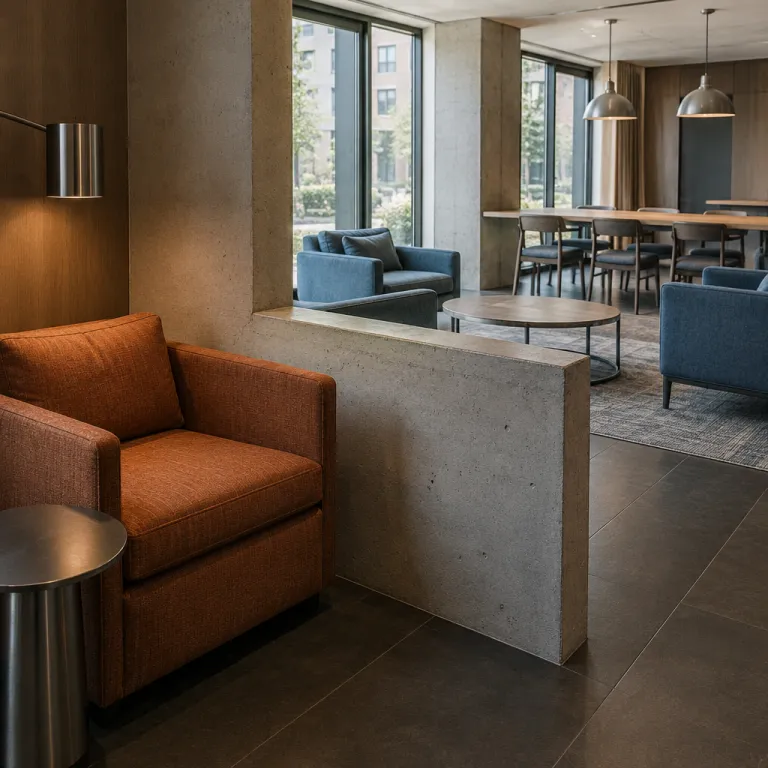
Study photos and floor plans with the same care you give to safety tips or travel tips. A lobby with a long shared table, visible power outlets, and barista style coffee usually signals a solo friendly environment where solo travelers, digital nomads, and even couples families can work quietly yet still feel part of a gentle group. By contrast, a maze of closed doors and private lounges may suit a traveler seeking near monastic solitude but can feel stark for solo travel when you crave casual conversation.
Do not ignore the hotel’s events calendar, restaurant concept, and how the team uses social media to present daily life. Look for user generated photos and generated content that show real guests lingering, not just posed marketing shots, and notice whether management highlights activities that cater solo visitors such as hosted walks, chef’s tables, or co working hours. For example, a city centre aparthotel that posts weekly images of small wine tastings and co working meetups is signalling a balanced social scene, while a resort feed full of nightclub shots suggests a high energy hub that may exhaust some solo travelers.
When you want a tailored sense of how staff handle requests from a solo traveler, a guide such as this piece on using a main phone number for a tailored Amsterdam stay can be a useful model for the kind of attentive communication you should expect from any long stay property. As you compare options, keep a simple decision matrix in mind: does the property offer visible shared spaces, optional events, and clear boundaries for quiet hours, or does it lean heavily toward either constant buzz or near silence?
Choosing your place on the spectrum from retreat to co-living
Every extended stay property sits somewhere on a spectrum that runs from quiet retreat to buzzing co living hub, and the art for solo travelers is choosing the right point on that line. At one end you have hotels that feel almost residential, where a solo traveler can slip in and out unnoticed, ideal for writing projects, remote work, or a deeply reflective solo trip. At the other end are hotels where the bar hums nightly, the pool deck hosts events, and group activities are part of the core travel industry marketing strategy.
Ask yourself whether you want your long stay to feel like a private apartment with services or like a social club that happens to have rooms. If you are traveling solo but know you recharge around others, look for hotels that cater solo guests with structured yet optional gatherings such as small group tastings, co working sessions, or neighbourhood walks. When people travel with mixed needs, such as couples families and solo guests sharing one base, a property that offers both quiet residential wings and more animated communal zones can keep everyone comfortable across the long stay.
Extended stay kitchens and dining rooms also reveal where a property sits on this spectrum. A hotel that offers shared cooking classes or long communal tables in its restaurant usually signals a more social environment, which can be ideal for solo travel when you want to meet other travelers over food. For a deeper sense of how a kitchen can anchor community over time, look at this analysis of why longer stays are the best way to taste a hotel’s kitchen, then imagine how that kind of culinary rhythm might shape your own weeks on the road.
Consider three simple archetypes as you decide: a serviced apartment style hotel with in room kitchens and minimal programming (best for retreat), a hybrid property with a calm lounge and weekly low key events (balanced), and a co living style hotel with shared kitchens, daily activities, and open plan workspaces (highly social). Mapping your social energy budget against these models makes it easier to choose a long stay base that feels sustainable rather than overwhelming.
The quiet influence of staff, regulars, and neighbourhood
Architecture sets the stage, but people write the script, and for a solo traveler on a long stay the cast matters as much as the set. Front desk teams, concierges, and bar staff act as informal social management, subtly introducing solo guests to one another or sensing when a traveler wants to be left in peace. Over several weeks, these staff members and a handful of regular guests can build a gentle, protective web of familiarity that supports both comfort and travel safety.
Pay attention to how the hotel talks about its équipe and its relationship with the local community in its content and social media posts. Properties that highlight long serving staff, neighbourhood partnerships, and repeat travelers usually foster a more stable atmosphere, which is reassuring when you are traveling solo and returning late from a day trip or evening event. This kind of continuity is especially valuable for digital nomads and solo travelers who may be juggling work, wellness, and exploration across an extended durée.
Location then amplifies or softens the property’s inherent sociability. A quiet hotel on a lively square can still feel connected, while a socially vibrant property in a remote business park may leave a solo traveler feeling stranded outside office hours. When you are comparing options for a group of friends, couples families, and solo guests sharing one itinerary, consider guides that unpack what makes an extended stay work for the whole family, then adapt those principles to the specific needs of solo travel and long stay living.
Micro case studies can clarify this. A compact boutique hotel beside a neighbourhood market might feel intimate yet plugged in, with staff recommending local cafés where solo guests naturally mingle. By contrast, an airport long stay hotel with excellent rooms but no walkable surroundings may suit a short stopover yet feel isolating for a month long remote work project unless you are intentionally seeking a low contact retreat.
Building a shortlist by social fit, not star rating
Most travelers still start with star ratings, loyalty points, and price filters, but for a solo traveller extended stay hotel choosing social alignment should sit at the top of the list. Begin your shortlist by sorting hotels into three simple categories: quiet retreat, balanced social, and high energy hub. Then layer in classic factors such as safety, transport links, and whether the property can cater solo needs like flexible housekeeping, laundry, and late check out.
Read reviews with a social lens, scanning for comments from solo travelers and solo guests about how it felt to be alone on property. Look for repeated mentions of staff using names, bar teams remembering orders, or management organising small group activities, which all suggest a place where traveling solo feels normal rather than exceptional. Pay attention to any mention of travel safety, lighting, and night access, especially if your solo trip will involve early morning flights or late returns.
Finally, treat the booking process itself as a test of fit. Send a short message explaining that you are a solo traveler planning a long stay and ask for tailored travel tips, safety tips, or suggestions for local experiences that suit people travel alone. The quality of the reply, the speed of response, and whether they propose thoughtful packages without pushing a punitive single supplement will tell you more about their culture than any glossy marketing brochure or user generated review score.
Sample email to test a hotel’s responsiveness
“Hello, I’m a solo traveler planning an extended stay of around three weeks. I’ll be working remotely and exploring the city in the evenings. Could you share:
- How you support solo guests in terms of safety and late night access
- Whether you host any small group activities or co working sessions
- Which room types you recommend for a quiet yet connected long stay
Thank you for any suggestions that would help me feel both independent and welcome during my visit.”
FAQ
How can a solo traveler balance solitude and social time on a long stay ?
Start by defining how many hours of genuine interaction you want most days, then choose hotels whose public spaces and events match that rhythm. Use co working lounges, lobby bars, or small group tours when you crave company, and retreat to your room or a quiet corner when you need to recharge. Over time, this deliberate pattern helps solo travelers maintain energy, motivation, and a strong sense of safety.
What should solo travelers look for to feel safe in an extended stay hotel ?
Check for clear access control, staffed reception around the clock, and well lit routes between public areas and rooms. Reviews that mention attentive management, responsive security, and practical travel safety measures are more valuable than generic praise. Solo guests should also confirm late night arrival procedures and ask the hotel for specific safety tips tailored to the neighbourhood.
How do digital nomads choose between a quiet and a social property ?
Digital nomads need reliable technology first, then a social setting that matches their work style. If deep focus is essential, a quieter property with in room desks and calm lounges may suit, while those who thrive on networking might prefer hotels with co working spaces, communal tables, and regular events. In both cases, solo travel comfort improves when staff respect boundaries yet remain available to build connections when invited.
Are long stay packages good value for solo guests paying a single supplement ?
Many extended stay hotels now design packages that soften or remove the traditional single supplement for solo travelers. These offers can include laundry credits, food and beverage allowances, or access to social programming that helps people travel alone feel more integrated. Always compare the total durée and inclusions rather than just the nightly rate to judge real value.
How can user generated reviews help with a solo traveller extended stay hotel choosing social fit ?
User generated reviews and guest photos reveal how spaces are actually used across the day, which matters more than staged marketing images. Look for content from solo travelers mentioning how easy it was to meet others or to be left alone when desired. Consistent comments about respectful staff, considerate guests, and a balanced atmosphere are strong indicators that the property will suit a solo trip of several weeks.