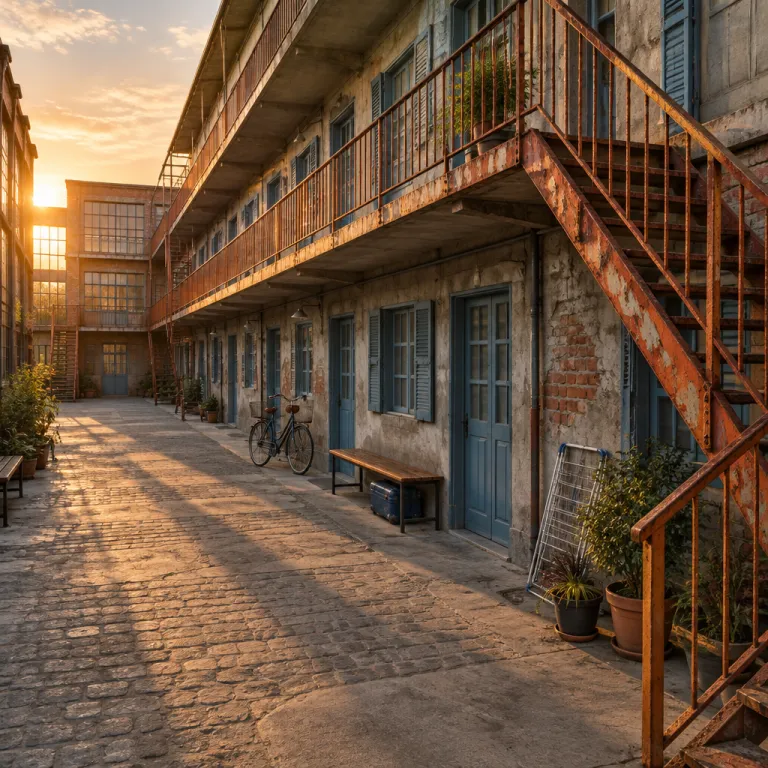
Heritage hotel long stay living in a historic building
Staying more than a weekend in a heritage hotel long stay living historic building changes how you read its walls and corridors. After several nights, you start to sense how the building’s original purpose still shapes daily living, from the way light falls through deep stone embrasures to how sound travels between rooms. That is when the romance of heritage and the reality of long term comfort finally meet.
For couples planning a long stay, the first question is simple yet revealing; can you imagine daily living in this particular house of history. Look at how the hotel has translated former cloisters, palaces or mansions into independent apartments, and ask whether the floor plans respect both privacy and natural light. A thoughtful conversion lets you experience life inside a historic shell while still moving through spaces that feel intuitive and calm.
Long stays turn guests into temporary residents, so you start to notice how the heritage community around the property functions. You see whether staff show genuine care in small services, such as remembering your preferred dining time or adjusting daily activities to your lifestyle. Over time, this creates a quiet living community feeling, where the building’s life heritage is shared rather than simply displayed.
Light, heat, plumbing and connectivity over weeks not nights
Adaptive reuse shines or fails on the basics; light, heating, plumbing and connectivity inside thick old walls. A heritage hotel long stay living historic building may look magnificent at check in, yet only reveal draughts, dim corners and erratic showers after several days. Couples who value comfort should treat these fundamentals as non negotiable parts of the experience life, not as details.
Ask to see several room types and compare how natural light works across different floor plans, especially if you plan to work remotely or enjoy independent living rhythms. In former convents or castles, windows can be small and deeply set, so you want to understand whether artificial lighting and modern health wellness design compensate during darker hours. When possible, walk staircases and corridors to feel how heating and ventilation shift between public spaces and private apartments.
Connectivity is another quiet trade off, because heritage walls that protect residents from street noise can also block Wi Fi signals. Before you fill form for a long reservation, test the connection in your room, in shared lounges and even on the terrace if you plan to work there. For a deeper look at how refined extended stays handle such practicalities in historic settings, you can read this guide on using a main phone number for high quality aparthotel stays at managing extended stay logistics in city escapes, which highlights how responsive services often matter more than raw bandwidth.
Water pressure and hot water consistency are equally crucial during a long stay, especially when two people share a compact space. In a heritage hotel long stay living historic building, ask directly how plumbing was upgraded, and whether older adults or guests with assisted needs have reported issues. Serious properties will explain their health care grade maintenance program with confidence, because they know that long term residents expect reliability rather than excuses.
When a historic property sits inside a dense heritage community, you may also feel subtle temperature shifts between wings that were built in different centuries. Pay attention during your first night, and if something feels off, contact today the front desk and request support before it becomes a recurring irritation. For an example of how a historic address can still deliver modern ease over longer stays, the detailed review of an Alexandria property at redefining extended stays in a historic heart shows how thoughtful upgrades can respect the past while serving present day expectations.
Atmosphere, patina and the romance of daily routines
The greatest strength of any heritage hotel long stay living historic building is the patina you start to feel only after many mornings and nights. You notice how the staircase handrail has been polished by generations of hands, and how the courtyard’s stone absorbs late afternoon light while you share a quiet drink. This slow intimacy with the building turns a simple stay into a layered chapter of your own life heritage.
Couples often arrive for the romance and stay for the lifestyle that emerges once routines settle. Breakfast in a vaulted dining room becomes part of your daily activities, while the walk from your apartments to the spa or garden feels like crossing a private campus. Over time, you begin to experience life as if you were independent residents of a small living community rather than transient guests.
Atmosphere also shapes how you use on site services, from health wellness areas to intimate lounges. In some properties, the bar feels like a family house salon, where staff offer gentle support and remember your preferences without fuss. For inspiration on how historic elegance can frame longer celebrations and refined stays, the visual guide to Champagne Manor at an elegant visual guide to Champagne Manor photos illustrates how architecture, gardens and interiors can create a coherent sense of place over several days.
When you stay longer, you also start to map the surrounding heritage community, from local markets to neighbourhood cafés. Visiting the same market stall or wine bar turns vendors into acquaintances, and the wider living communities around the hotel become part of your extended family of faces. This is where a heritage hotel long stay living historic building excels; it lets you live inside history while still feeling anchored in a present day community.
Modern comfort discreetly woven into historic fabric
The finest conversions hide contemporary comfort so well that you barely notice how much engineering sits behind each quiet night. In a well executed heritage hotel long stay living historic building, lifts are tucked behind original staircases, climate control is zoned with care, and soundproofing is layered into old stone without erasing its character. The goal is simple; you should feel the heritage, not the compromises.
Look closely at how independent living style amenities are integrated, especially if you plan to stay two or three weeks. Kitchenettes inside apartments should feel like part of the house rather than afterthoughts, with enough space for real cooking and dining instead of token equipment. When floor plans are generous and logical, couples can move independently, share activities and still retreat to separate corners for work or reading.
Many heritage properties now design services around a campus model, with wellness areas, quiet lounges and sometimes even co working rooms. This approach suits long stay residents who want a living community atmosphere without sacrificing privacy or an independent lifestyle. When these spaces are pet friendly, couples travelling with animals can maintain familiar routines, which often makes the entire experience life feel more grounded.
Accessibility is another area where adaptive reuse must balance assisted needs with architectural integrity. Ask how the property supports guests who might later require a level of assisted living style help, such as step free access, grab bars or discreet health care partnerships. A serious hotel will not claim to offer medical memory care or senior living facilities, but it will be transparent about how it can find support for older adults if something unexpected happens during a long stay.
Some of the most award winning heritage conversions quietly borrow planning logic from senior living and assisted living design, especially around circulation and natural light. They study how living communities for older adults manage safety, health wellness and social interaction, then translate those lessons into elegant hospitality. When you sense that same thoughtful care in a heritage hotel long stay living historic building, you are likely looking at a heritage best example of adaptive reuse.
Questions to ask before committing to a long heritage stay
Before you fill form for a multi week reservation, treat the process more like choosing a long term rental than a quick getaway. Ask to see detailed floor plans of several apartments or suites, and check how storage, light and circulation will work for two people sharing the space. If possible, request a video walk through so you can picture daily living, from where you will unpack to where you will work or exercise.
Clarify exactly which services are included for long stay residents, and how often housekeeping, linen changes and laundry support are provided. In a heritage hotel long stay living historic building, some packages mirror independent living arrangements, while others feel closer to a full service house with daily attention. Make sure the program matches your lifestyle, whether you prefer privacy and self sufficiency or more assisted style convenience.
Ask specific questions about health care access, even if you are a younger couple in excellent health. You want to know which clinics or hospitals sit within a short distance, and whether the hotel has a protocol to find support quickly if needed. Properties that host older adults or multi generational family groups often have established relationships with local providers, which can quietly reassure you during a long stay.
Pet policies deserve the same scrutiny, especially if you are seeking a genuinely pet friendly environment rather than a reluctant exception. Confirm where animals are allowed, how daily activities like walks intersect with public spaces, and whether any living community rules might affect your routines. A transparent policy signals respect for all residents, from couples to families and from solo travellers to older adults.
Finally, pay attention to how the hotel communicates before you arrive, because this often reflects the life heritage of its service culture. When you contact today with detailed questions and receive thoughtful, prompt answers, you are seeing an award winning attitude that usually extends into your stay. In that case, a heritage hotel long stay living historic building can feel less like a temporary address and more like one of those rare living communities where history, comfort and contemporary lifestyle quietly align.
FAQ
Is a long stay in a heritage hotel practical for remote work ?
A long stay in a heritage hotel can be practical for remote work if you verify connectivity and layout in advance. Thick walls in a heritage hotel long stay living historic building may weaken Wi Fi, so ask for a speed test and check whether wired connections are available. Choose apartments with clear floor plans that separate sleeping, dining and working zones, which supports an independent lifestyle over several weeks.
How should couples evaluate comfort in a historic building before booking ?
Couples should focus on light, heating, plumbing and noise when evaluating comfort in a heritage hotel long stay living historic building. Request information about recent upgrades, ask how the property manages temperature across seasons, and read reviews that mention showers, soundproofing and bed quality. If possible, visit or arrange a video tour to see how services and daily activities will fit your lifestyle.
Are heritage hotels suitable for older adults on extended stays ?
Many heritage properties welcome older adults, but suitability depends on access and support. Check for lifts, step free routes and handrails, and ask whether the hotel can help you find support such as nearby health care if needed. While they are not senior living or assisted living facilities, the best heritage community style hotels borrow thoughtful design from living communities to make long stays safer and more comfortable.
What should I ask about services and amenities for a multi week stay ?
For a multi week stay, ask about housekeeping frequency, laundry options, dining flexibility and any wellness or fitness program. Clarify whether the property offers independent living style amenities such as kitchenettes, and whether it is genuinely pet friendly if you travel with animals. Understanding these services in a heritage hotel long stay living historic building helps you judge whether the lifestyle will feel effortless or constrained.
How do heritage hotels balance authenticity with modern expectations ?
Heritage hotels balance authenticity and modern expectations by hiding contemporary systems inside historic fabric. Successful properties preserve original materials and proportions while integrating discreet climate control, reliable plumbing and strong connectivity that support today’s living communities. When this balance works, residents can experience life in a historic house without sacrificing comfort, privacy or health wellness standards.