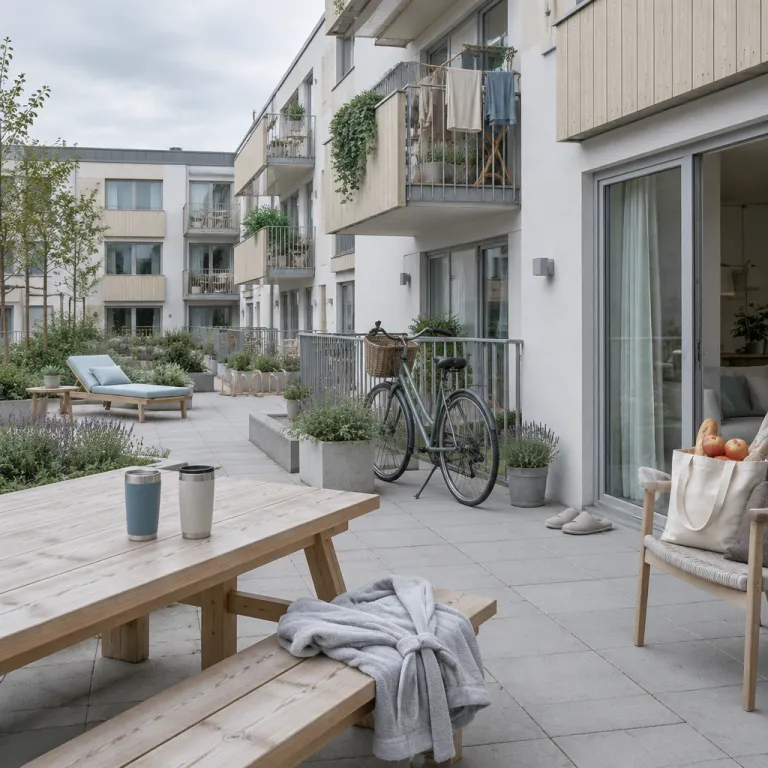
Choosing the right extended stay base for local living
Your extended stay begins long before you unpack a suitcase in your hotel room. When you choose between a living hotel, a serviced apartment or premium stay hotels, you are really choosing how your daily life will feel. Think less about the lobby and more about the streets, the light in your stay room and the hotel feel of the surrounding cafés where you will spend time.
For longer stays that last several weeks months, prioritise neighbourhoods where everyday living is effortless within a ten minute walk. You want a grocery store, a pharmacy, a park, a café and public transport close enough that hotel living feels like renting an apartment, not like a temporary stop between flights. Hotels designed for the long term guest usually map these amenities for you and can help you compare one stay hotel with another in a very practical way.
Look for an extended stay property where the suite or apartment style room gives you real space to cook, work and relax. A generous hotel long term layout with a defined living area, a proper table and a quiet stay room will help your days feel like normal life rather than a stretched short term trip. If you travel with a dog or cat, a genuinely pet friendly policy turns a long term lease style arrangement into a softer landing, because your routine will include walks, parks and local pet shops from the first morning.
Signals that a neighbourhood will reward a long stay are subtle but reliable. Watch for people carrying groceries rather than shopping bags, for children walking to school, for cafés that open early and stay lively after 21:00 when residents reclaim the streets. When you see both visitors and locals sharing the same pavements, your extended stay hotel is more likely to help you feel like you belong rather than feel like you are passing through.
The regular’s playbook: rituals that make a living hotel feel like home
Once you arrive, the way you use your hotel room matters as much as the design of the space. Treat your extended stay suite as a living room in the city, not as a temporary crash pad, and your hotel living will quickly feel like a natural extension of your everyday life. Unpack fully, rearrange the furniture slightly if the living space allows and set up a small corner that feels like your own apartment for reading, work or morning coffee.
The regular’s playbook starts outside the live hotel doors. Choose one café where you like the coffee and the way people greet each other, then go back every day at roughly the same time until the staff recognise your order and your hotel feel shifts into something closer to a term lease. Do the same with a market stall, a bakery or a small restaurant, because returning to the same places during longer stays creates a rhythm that quietly tells you that you live here, at least for this long term chapter.
Inside the stay hotel, build micro rituals that anchor your extended stay. Use the same lift, greet the same housekeeper, and choose a regular chair in the lobby or co working space so that your stay room becomes part of a wider living hotel ecosystem. If the property is pet friendly and you are travelling with an animal, walk the same route each morning so that both you and your pet start to feel like locals who know the pavements and the smells.
The concierge and front desk team are your local fixers, especially in hotels designed for extended stay guests. Ask them to help you secure a short term gym membership, a weekly monthly yoga pass or a standing reservation at a neighbourhood restaurant, and you will quickly see how to live like a local extended stay hotel without wasting time on trial and error. For more tailored support in a luxury context, study how a dedicated reception team can personalise a long stay, as explored in this guide to using a specialist reception number for a tailored luxury stay on Dartmoor at a tailored luxury stay playbook.
Memberships, access and the art of structuring your time
Local life during an extended stay is built from the memberships and passes you arrange in your first days. A short term gym or pool membership near your stay hotels base turns anonymous hotel living into a routine where the staff nod when you arrive and fellow members recognise your face. Library cards, co working passes and museum memberships work the same way, giving your long term travel a structure that feels like a real lease on the city rather than a temporary visit.
Think in blocks of weeks months instead of nights when you plan your time. For a two to four week extended stay, choose one cultural institution, one fitness space and one social venue where you will return regularly, and let your hotel room function as the quiet centre between these points. This is how to live like a local extended stay hotel without over scheduling, because your days will naturally alternate between work, exploration and the simple living of errands, laundry and cooking.
Many living hotel properties now partner with gyms, co working spaces and local markets to offer weekly monthly access at favourable rates. Ask the stay hotel concierge whether they can help you arrange a flexible term lease style agreement for a desk, a yoga studio or even a language class, so that your longer stays come with built in community. When you pack for this kind of life, you will think less about outfits and more about the tools that support routine, a mindset explored in depth in this guide to what experienced long stay guests pack differently at the art of arriving for a month.
Solo travellers often find that these memberships quietly defeat the loneliness that can creep into a long term extended stay. You will start to recognise the same people on your running route, at the coffee machine in your co working space and in the lift of your live hotel, and those repeated micro encounters change how the city feels. Over time, your stay room becomes just one node in a network of familiar faces and places, which is the essence of turning a hotel long term booking into something that feels like home.
Working with your extended stay hotel team as local allies
The best extended stay hotels are not only places to sleep but also platforms for local living. Their teams understand that people booking longer stays want a hotel feel that balances privacy with connection, and they train staff to notice patterns in your routine. When you return from a morning run or an evening class at the same time each day, a good living hotel front desk will adjust housekeeping and room service to respect your rhythm without you needing to ask.
Use the concierge as a strategic partner rather than a last resort. Share your interests, your preferred pace of travel and the kind of local life you want, and ask for introductions to neighbourhood guides, small galleries or markets that match your style, because this is how to live like a local extended stay hotel without relying on generic lists. In luxury properties, concierges can sometimes arrange short term leases for private offices, secure weekly monthly tables at hard to book restaurants or even coordinate pet friendly services such as dog walkers who collect your animal directly from the stay room.
Front desk teams in hotels designed for extended stay guests often keep informal maps of running routes, late night pharmacies and cafés that welcome laptop work. Ask them where staff themselves go on their days off, and you will usually get more honest recommendations than any guidebook, especially when you are planning a long term stay. Over time, these conversations shift the relationship from guest and receptionist to something closer to neighbours, and that shift changes how your hotel room and the wider space around it feel.
For travellers who value elevated service, some luxury brands extend their support beyond the property through flexible credit systems. A carefully chosen hotel gift card can act as a portable term lease on comfort, allowing you to move between cities while keeping a consistent standard of hotel living, as outlined in this guide to why a certain hotel gift card elevates every extended stay at an elevated extended stay strategy. Used thoughtfully, these tools help you maintain a familiar hotel feel while still engaging deeply with each new neighbourhood.
Designing your days: routines that turn temporary stays into real life
Local living during an extended stay is less about dramatic experiences and more about the quiet design of your days. Start by setting a simple morning routine that you repeat regardless of time zone, whether that means stretching in the stay room, making coffee in your apartment style kitchen or walking to the same café before work. When your body recognises the pattern, the hotel room stops feeling like a temporary container and starts to feel like a familiar space where your life unfolds.
Think of your long term stay as a series of small loops rather than a straight line from check in to check out. One loop might be your running route, another your commute from the living hotel to a co working space, and a third your evening walk through a park or along a waterfront, and repeating these loops is what makes a hotel long booking feel like a term lease on the city. Over weeks months, these repeated paths create a mental map that is far richer than any tourist itinerary, because it is built from your own footsteps and your own time.
Food rituals are especially powerful when you want to feel like a local during longer stays. Use the kitchenette in your suite or apartment to cook at least a few meals each week, even if it is just breakfast, and treat the nearest market as your pantry rather than a sightseeing stop, because this is how to live like a local extended stay hotel in a very literal sense. When you know which stall has the best fruit, which bakery sells your favourite bread and which café keeps your preferred table free in the morning, your stay hotel becomes the place you return to between errands, not the centre of the story.
Solo travellers often worry about loneliness during long term travel, but routine is a quiet antidote. By showing up at the same places at the same times, you give people the chance to recognise you, whether that is the barista who remembers your order or the neighbour who shares a lift to the lobby, and those micro recognitions change how both you and the hotel feel. Over time, your extended stay stops being a temporary project and becomes a chapter of your life that happens to be written in a different city, with a living hotel or stay hotels property as your base rather than a traditional lease.
Reading the neighbourhood: where extended stays truly work
Not every district rewards a long term extended stay, no matter how polished the hotel. Before you commit to weeks months in one place, walk the streets at different times of day and pay attention to who is around, what they are doing and how the public space feels. You are looking for a mix of residents and visitors, for children and older people as well as travellers, because that blend usually signals a neighbourhood where temporary stays can still feel like real living.
Everyday amenities within a ten minute walk are non negotiable when you plan longer stays. A supermarket, a pharmacy, a laundromat or reliable hotel laundry, a park and at least one café that welcomes laptops will do more for your quality of life than any skyline view from a hotel room, especially on days when you stay close to your living hotel base. If you travel with a pet, check that the area is genuinely pet friendly, with green space, waste bins and other dog walkers visible, because this will shape your daily routes and your sense of belonging.
Night time is the real test of whether a neighbourhood suits an extended stay. Visit after 21:00 to see whether the streets feel lively but safe, with restaurants still serving, people walking home and lights in apartment windows, because this pattern suggests a place where people actually live rather than a district that empties when offices close. When you return to your stay hotel after such a walk and feel like you are coming home rather than retreating to a bubble, you have probably chosen well.
Over the course of a long term stay, you will notice how your relationship with the area evolves. At first you may rely heavily on maps and hotel recommendations, but gradually you will start giving directions to other people, suggesting cafés to new arrivals and even correcting ride share drivers on the best route, and that shift is the clearest sign that your extended stay has turned into a slice of local life. In those moments, the distinction between renting apartment space and living in a hotel blurs, and you understand in practice how to live like a local extended stay hotel guest who has earned their place in the city.
FAQ: making a long stay feel like local life
How many weeks or months do I need for an extended stay to feel local ?
Most travellers start to feel like semi locals after two to four weeks of hotel living in the same neighbourhood. That duration gives you enough time to establish routines, recognise faces and understand how the area changes across different days. Longer stays of several weeks months deepen that familiarity, but even a well structured short term stay can feel grounded if you commit to daily rituals.
What should I look for in an extended stay hotel room layout ?
Prioritise a layout that separates sleeping, working and relaxing zones within the stay room or suite. A small apartment style kitchen, a proper desk and a comfortable chair make a long term stay feel more like a lease than a temporary stop. Natural light, good sound insulation and enough storage to fully unpack are also crucial for extended stay comfort.
How can I avoid feeling lonely during a solo long term stay ?
Routine is your strongest ally against loneliness during longer stays. Choose one café, one gym or class and one regular walking route, and return to them at similar times so that staff and other regulars start to recognise you. Combine these rituals with occasional social activities such as language exchanges or co working days, and your living hotel will feel like a base within a wider community.
Is a pet friendly extended stay hotel worth the extra planning ?
For many travellers, bringing a pet transforms an extended stay from a temporary project into real life in another city. A pet friendly stay hotel encourages you to explore local parks, meet neighbours and establish daily walking routes, all of which accelerate your sense of belonging. Just ensure that both the property and the surrounding neighbourhood genuinely support animals, with green space and practical services nearby.
How do I balance work and exploration during a long term stay ?
Think of your time as a series of repeating weekly patterns rather than a list of sights to tick off. Block out fixed hours for work in your hotel room or a co working space, then reserve specific evenings or half days for exploring one area at a time. This structure keeps your extended stay sustainable while still allowing the city to feel like a place where you live, not just somewhere you visit.
Sources
U.S. Travel Association ; American Hotel & Lodging Association ; Condé Nast Traveler.