1. Why every luxury traveler should know how to check for bed bugs at a hotel
Luxury and premium extended stay guests expect a serene room, not a single bed bug. Yet even a five star hotel room can face a hidden bed bug infestation because these pests travel with guests rather than reflecting cleanliness. Understanding how to check for bed bugs at a hotel is therefore a core travel skill, as essential as reading the wine list or confirming late checkout.
When you arrive at any hotel room, pause before you unpack your suitcase or place personal items on the room bed. Place your luggage on a hard surface or directly on the luggage rack, then start a quick but methodical check of the sleeping area and soft furnishings. This first step helps you avoid bed bugs hitchhiking home in your luggage and keeps your extended trip free from unnecessary stress.
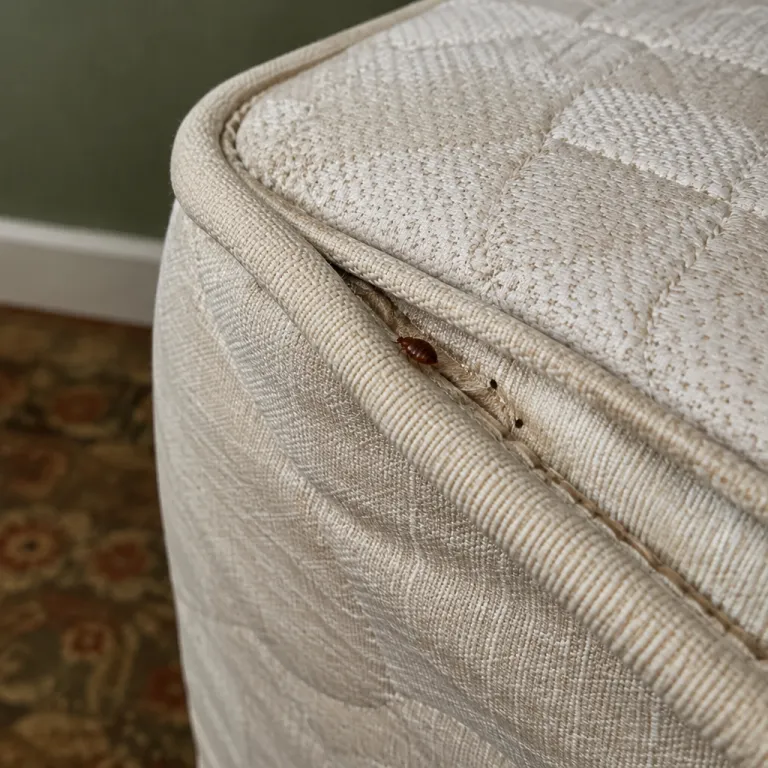
Bed bugs are small, flat insects that feed on human blood and hide in narrow crevices around the hotel bed. They are pests, but they are not linked to dirt; they follow people, not housekeeping standards. Because these bugs hide so effectively, you need to inspect bed areas with intention, looking for subtle signs bed bugs leave behind rather than relying on a casual glance.
2. A step by step inspection routine for any hotel room
Start by keeping your suitcase closed and placed on a metal or wooden luggage rack, away from the wall and far from the room bed. Use your phone flashlight to inspect hotel furniture, beginning with the hotel bed headboard, then moving to the mattress, box springs, and bedside tables. This deliberate step by step routine lets you check bed surfaces and nearby areas quickly while still feeling relaxed at the start of your trip.
To make the process simple, follow this short checklist as soon as you enter the hotel room. You can even save it as a note or print a one page “inspect now” checklist before your next trip:
- Stage luggage in the bathroom or on a luggage rack, not on the hotel bed or carpet.
- Use a flashlight to inspect bed seams, headboard edges, and the junction between mattress and box springs.
- Look for live bed bugs, tiny white eggs, shed skins, or dark spots that may indicate dried blood or droppings.
- Slide a pen or card along seams to lift fabric slightly and check folds, tufts, and cracks where bugs hide.
- Take clear photos or short videos of anything suspicious before you move items or change rooms, so you can show hotel staff or compare with online identification guides.
After you inspect hotel sleeping areas, turn to the wider hotel room, including upholstered chairs, sofa beds, and curtains near the bed. Run your light along skirting boards, behind bedside lamps, and around wall art where pests hide in cracks. For long stays, consider asking the front desk about their pest management schedule and whether they work with professional pest control partners for regular inspections, then read about how small rituals can turn a long stay into local life on this in depth extended stay guide.
3. Where bed bugs hide in luxury extended stay suites
Premium extended stay suites often feature plush headboards, deep sofas, and layered textiles, which create more places where bugs hide. Focus your inspection on the room bed first, then move outward in a slow circle, checking each soft surface that touches your body during sleep or relaxation. Pay particular attention to the junctions between fabric and frame, because a single bed bug can slip into a gap thinner than a credit card.
Lift pillows and inspect bed pillowcases, then examine the top and bottom of the mattress and the upper edges of the box springs. If possible, gently lift one corner of the mattress to inspect bed frames and slats, watching for small clusters of bugs or pepper like stains. In suites with sofa beds, unfold the mechanism and inspect hotel upholstery seams, as this is a classic location for a hidden bug infestation in multi use rooms.
Families staying long term should also check soft furnishings near cribs, playpens, and any area where children nap, because pests can move several metres overnight. When you book a luxury extended stay hotel, ask whether they provide encased mattresses and proactive pest management, especially if you travel frequently. For parents, it is worth reading how high end extended stay properties elevate babysitting and childcare services on this specialist family travel resource, then combining that insight with your own inspection routine.
4. How to handle your luggage and personal items to prevent bed bugs
Even when a hotel room appears free of pests, your luggage strategy matters if you want to prevent bed bugs from joining the journey. Always keep your suitcase zipped when you are not using it, and store it on a luggage rack or inside a wardrobe rather than on the floor or hotel bed. Many seasoned travelers also place clothes in sealable bags inside the suitcase, which adds a barrier between any stray bug and your personal items.
During a long trip, resist the temptation to scatter clothing across chairs, the room bed, or the carpet, because this creates more contact points where pests can climb. Instead, unpack only what you need into drawers after you inspect hotel furniture, and keep the rest of your wardrobe contained. If you are going from one luxury property to another, this discipline helps you avoid bed bugs transferring between hotels and protects your home when you finally return.
When you leave, inspect bed areas one last time, then check the suitcase exterior, handles, and wheels for any visible bugs. At home, place luggage in a hallway or utility area rather than directly in the bedroom, then launder travel clothes on a hot cycle where fabrics allow. Many travelers also use short educational videos from reputable pest control organisations or public health agencies to refine their routine, but the core principle stays simple: keep luggage elevated, contained, and away from potential pests.
5. What to do if you find signs of bed bugs in your hotel
If you see signs bed bugs may be present, such as live insects, clusters of dark spots, or unexplained bites, stay calm but act quickly. Take clear photos or short videos of the evidence, including close ups of the mattress seams, box springs, and any visible clusters you notice. Then stop unpacking, seal any personal items already on the room bed into plastic bags, and move your luggage to the bathroom floor, which is usually the least hospitable area for pests.
Contact the front desk immediately and request to speak with a manager, explaining that you need a new hotel room far from the affected area. Share your photos, describe exactly where you found the bed bug evidence, and ask about their pest management protocol and professional pest control partners. A reputable luxury or premium extended stay hotel will respond promptly, relocate you, and arrange a thorough inspect hotel process for the affected room.
When you move, repeat your inspection routine in the new hotel room before you settle in, even if the staff assure you it is pest free. If you feel uncomfortable staying on site after a confirmed bug infestation, ask about alternative properties within the same brand or group. For travelers attending high profile events or meetings, it can be helpful to choose properties known for rigorous hygiene and event ready spaces, such as those highlighted in this guide to meeting room standards in luxury city centre hotels.
6. Personalized guest services and pest free confidence on luxury booking platforms
On a luxury and premium booking website for extended stay hotels, the most valuable amenity is often invisible; it is the confidence that every hotel bed and hotel room has been checked for pests before you arrive. Leading platforms now highlight pest management certifications, inspection frequency, and guest feedback about cleanliness as clearly as they showcase spa menus or Michelin starred dining. This transparency helps you choose properties where the question of how to check for bed bugs at a hotel is already taken seriously at management level.
Personalized guest services can go further by offering pre arrival notes about pest control practices, mattress encasements, and whether rooms use a luggage rack as standard. Some concierge teams will arrange a preferred floor, a recently inspected room, or even a pre arrival inspect bed request for guests with allergies or previous experiences of bed bug issues. When these services are integrated into your booking profile, they travel with you from city to city, turning a simple check bed routine into part of a broader wellness and safety strategy.
For extended stays, platforms can also provide tailored tips on how to keep rooms free of pests, including guidance on laundry facilities, storage solutions, and how to avoid bed bugs when you are going in and out with shopping bags or work equipment. Guests increasingly expect digital guides, short educational videos, and clear step by step checklists embedded in their booking apps. Used well, these tools help prevent bed problems before they start and ensure that your focus remains on the pleasures of the trip rather than on the possibility that bugs hide in the shadows.
Key statistics on bed bugs and hotel stays
- Industry surveys from professional pest management associations report that hotels and motels are among the most frequently treated locations for bed bugs, confirming that hospitality venues remain a primary focus for control efforts. For example, the National Pest Management Association’s 2023 Bugs Without Borders survey found that around 68% of pest professionals treated bed bug cases in hotels or motels in the previous year. Always consult current reports from reputable pest control organisations for the latest figures.
- Public health and entomology sources note that a single fertilised female bed bug can produce many offspring over time, which is why early detection in a hotel room is critical to prevent bed level outbreaks. The U.S. Environmental Protection Agency (EPA) reports that a female bed bug can lay hundreds of eggs over her lifetime, so travelers should treat any specific reproduction figures as estimates rather than guarantees.
- Research summarised by agencies such as the U.S. Environmental Protection Agency (EPA) indicates that bed bugs can travel several metres in a night in search of a host, meaning that pests may move between adjacent rooms if hotel bed inspections are not systematic.
- Consumer travel surveys consistently find that visible cleanliness and clear pest control policies rank among the top factors influencing repeat bookings at luxury and premium hotels, reinforcing the value of transparent pest management and clear communication with guests.
FAQ about checking for bed bugs in hotels
How do I quickly check a hotel room for bed bugs when I arrive ?
Place your luggage on a luggage rack or in the bathroom, then inspect bed areas by pulling back sheets and checking mattress seams, box springs, and the headboard with a flashlight. Look for live bugs, tiny white eggs, shed skins, or dark spots that may indicate bed bug activity. If you see anything suspicious, stop unpacking and contact the front desk immediately.
Are luxury and premium hotels less likely to have bed bugs ?
Higher end hotels usually invest more in pest management and staff training, which reduces risk but does not eliminate it, because bed bugs travel with guests. Even a spotless luxury hotel room can receive a bug infestation from a single suitcase. This is why a short personal inspection remains essential, regardless of the nightly rate.
What should I do with my clothes and suitcase during an extended stay ?
Keep your suitcase closed and stored on a luggage rack or shelf, not on the floor or hotel bed, and avoid leaving clothes scattered on the room bed or chairs. Use drawers and wardrobes after you inspect hotel furniture, and consider storing clothes in sealable bags inside the suitcase. On returning home, launder travel garments on a hot cycle where possible to help prevent bed bugs from establishing in your own bed.
Can I rely on hotel pest control alone to stay bed bug free ?
Professional pest control and regular inspections are vital, but they work best when combined with guest awareness and simple habits. A quick step by step check of the bed and surrounding furniture greatly increases the chance of spotting pests early. Guests who report signs bed bugs promptly help protect both themselves and future travelers.
How can booking platforms help me avoid bed bugs on my trip ?
Quality booking platforms for extended stay hotels can highlight properties with strong pest management records, transparent cleaning protocols, and guest reviews that mention cleanliness positively. Some services also offer personalized notes on pest control practices and provide educational tips or videos on how to check for bed bugs at a hotel. Using these tools, alongside your own inspection routine, gives you the best chance of a calm, pest free stay.