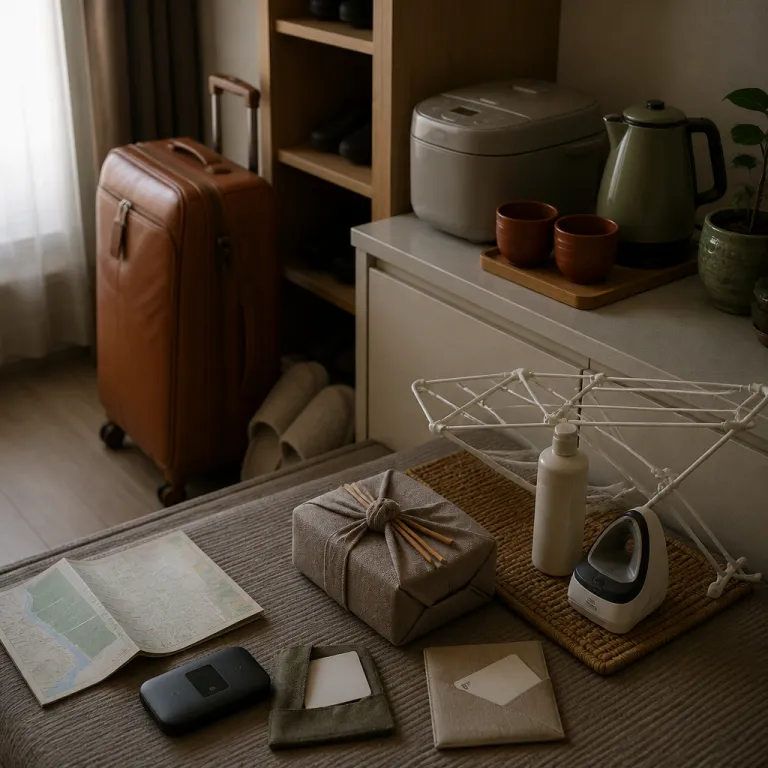
Tokyo extended stay hotel neighbourhood guide luxury: how the city really works
Tokyo is not a single city so much as a constellation of villages linked by rail. For a two week stay, choosing the right area shapes your days more than choosing the right hotel brand, because each cluster of stations, streets and parks offers a different rhythm. A thoughtful approach to extended stay luxury in Tokyo means asking where you want to walk at night, not just how quickly you can reach Tokyo Station.
Think of your stay in Japan as a sequence of micro cities rather than one giant metropolis. Shinjuku, Shibuya, Ginza and Asakusa each feel like separate worlds, and extended stay travellers who have already stayed in one area often return to a different one for contrast. When you plan to stay Tokyo for two weeks or longer, the best strategy is to match your lifestyle to a neighbourhood first, then shortlist luxury hotels, mid range properties and furnished apartments that fit your range of budget.
Average hotel rooms in Tokyo measure around 16 square metres, which can feel tight on a long term trip. That is why extended stay specialists such as Citadines Shinjuku Tokyo and Oakwood Premier Tokyo, perched above Tokyo Station, have become reference points for travellers who want kitchenettes, laundry and style rooms that feel residential. When you compare hotels, look beyond nightly rates and ask whether the place to stay will still feel comfortable on day ten, when the neon lights are familiar and the coffee shop downstairs knows your order.
Transport access is your second non negotiable. A base near a major station such as Shinjuku, Shibuya, Asakusa Station or Tokyo Station cuts your commute across the city and to the bullet train network, which matters if you plan side trips during your stay. For many guests, the best extended stay hotel is the one that balances fast rail access with a quiet back street address, so you can step from the rush into a Japanese residential calm in under five minutes.
Budget also behaves differently on a long stay. A slightly higher nightly rate at a property with a full kitchen, in room laundry and generous storage can reduce restaurant spending and laundry services over two weeks, especially in luxury hotels where extras add up quickly. When you evaluate a long stay shortlist for Tokyo, calculate the total cost of living in each property, not just the headline price.
Marunouchi and Ginza: business luxury, skyline views and seamless access
For travellers who treat Tokyo as both boardroom and playground, Marunouchi and Ginza form the business luxury core. This area wraps around Tokyo Station, where Oakwood Premier Tokyo offers serviced apartments with full kitchens and in room laundry directly above the platforms, turning a long term stay into a highly efficient routine. You step from your style rooms to the Shinkansen bullet train in minutes, then return to a quiet, carpeted lobby that feels a world away from the concourse.
Ginza is the polished face of the city, with department stores, art galleries and some of the best Japanese dining rooms in the country. Luxury hotels such as Aman Tokyo in nearby Otemachi, the Palace Hotel Tokyo and several international flags in Marunouchi cater to guests who need walking access to corporate offices by day and refined bars by night. For a two week stay Tokyo in this area, expect larger rooms than the city average, meticulous service and a calm, almost residential atmosphere once you step above street level.
Extended stay travellers often choose this area for its transport logic. From Tokyo Station you can reach both airports, connect to regional lines across Japan and ride the bullet train to Kyoto or northern cities without crossing town first, which saves hours over a long stay. If you plan frequent day trips, a place to stay near the station can be more valuable than a slightly cheaper mid range option in a less connected area, especially when you factor in taxi fares and time.
Not every property here is ultra luxury. Several mid range hotels and serviced residences in Marunouchi and the fringes of Ginza offer compact but well designed rooms with kitchenettes, ideal for solo travellers on a careful range of budget. When you compare these hotels, look for floor plans that make smart use of mid sized rooms, with folding tables, deep wardrobes and laundry access either in room or on the same floor.
For guests used to elegant long stay accommodation near central business districts worldwide, this area will feel instantly legible. You will find the same convenience as extended stay properties near Australian CBDs with in room laundry, but layered with Japanese hospitality, underground passageways and a dining scene that rewards curiosity. If your priorities include efficiency, quiet streets after dark and easy client meetings, Marunouchi and Ginza sit at the top of the list.
At a glance: Marunouchi & Ginza
- Best for: business travellers, first time luxury stays, bullet train access
- Vibe: polished, corporate by day, refined and calm at night
- Typical room size: often above the 16 m² city average in upscale hotels
- Transport: direct links to both airports and Shinkansen lines from Tokyo Station
- Stay length sweet spot: one to two weeks for work focused trips
Shibuya and Daikanyama: creative energy and lived in neighbourhood immersion
Shibuya is the Tokyo of postcards, all neon lights, giant screens and crowds flowing across the scramble crossing. Stay near Shibuya Station for a week and you quickly learn the back routes, the quiet lanes and the small coffee bars that soften the spectacle into a daily routine. For many solo explorers, this is the best area to feel the city’s creative pulse while still having quick rail access to Shinjuku, Asakusa and Tokyo Station.
Extended stay options around Shibuya range from sleek luxury hotels on upper floors of mixed use towers to mid range properties and furnished apartments tucked into side streets. Daikanyama, one stop away or a short walk, trades the intensity of central Shibuya for low rise streets, independent boutiques and cafes where staff remember you after a few days. If your priorities include morning walks, design focused style rooms and a sense of community, this duo of areas works beautifully.
Rooms here tend to be compact, so pay attention to layout. Look for long term friendly touches such as built in desks, deep windowsills that double as seating and access to laundry, whether in room or via well maintained coin machines in the building. Some travellers pair a week in Shibuya with a week in another area, using the first half of their stay Tokyo to adjust to the city’s pace before moving to a calmer place to stay such as Asakusa or a quieter corner of Roppongi Minato.
Nightlife is one of the main draws. From Shibuya you can reach live houses, small bars and late opening restaurants across the city, then retreat to a hotel that feels like a private perch above the noise. If you prefer quieter evenings, Daikanyama’s tree lined streets and residential feel offer a softer landing, while still keeping you within easy reach of central stations and the wider rail network.
For travellers who follow global hotel news, it is worth noting how international brands are expanding in similarly vibrant districts worldwide. When a group can double its portfolio in a country such as Morocco with new luxury openings, it signals the same appetite for high end long term friendly properties that you now see in Tokyo’s most dynamic areas. Shibuya and Daikanyama sit at that intersection of lifestyle, design and practicality, which makes them compelling for a two week creative stay.
At a glance: Shibuya & Daikanyama
- Best for: solo travellers, nightlife, design conscious guests
- Vibe: high energy in Shibuya, relaxed and residential in Daikanyama
- Typical room size: close to the 16 m² average, with smart layouts
- Transport: excellent JR and metro links from Shibuya Station
- Stay length sweet spot: five to ten nights, often paired with a calmer area
Roppongi, Azabu and Shinjuku: expat ease, park life and the power of a hub
Roppongi Minato and neighbouring Azabu form Tokyo’s most established expatriate pocket, with embassies, international schools and a dining scene that spans Japanese izakaya and global comfort food. For families or long term guests who want English friendly services, parks and playgrounds, this area feels instantly usable. Luxury hotels and serviced residences here often offer larger rooms, generous storage and amenities tailored to guests who have already stayed in multiple world cities.
Shinjuku, by contrast, is the city’s great transport engine. Shinjuku Station handles more passengers than almost any other station on earth, which makes it an extraordinary base if your two week stay includes day trips across Japan or frequent meetings in different areas of the city. Many travellers choose a hotel near the station for the first half of their stay Tokyo, then shift to a quieter neighbourhood once they have mapped their regular routes.
Within Shinjuku, the mood changes block by block. East of the station you find entertainment districts and neon lights, while to the south and west you reach business towers, parks and residential streets that feel surprisingly calm. Properties such as Citadines Shinjuku Tokyo, near Shinjuku Gyoen, offer extended stay style rooms with kitchenettes, giving you the flexibility of furnished apartments with the services of a hotel.
Roppongi’s appeal lies in its mix of art and nightlife. Major museums, rooftop bars and international restaurants sit within walking distance, and many luxury hotels here frame views of Tokyo Tower or the city skyline. For a long term stay, look for properties with in room laundry or at least efficient guest laundry rooms, because sending items to hotel services for two weeks can quickly stretch any range of budget.
When you compare these areas, think about your daily rhythm. If you value quick access to the bullet train and suburban lines, Shinjuku wins, while Roppongi Minato and Azabu excel at gentle streets, parks and an easy blend of Japanese and international life. For travellers who enjoy planning refined two bedroom apartment stays in other world cities, this trio of neighbourhoods offers a similar balance of practicality and pleasure, with Tokyo’s unique density layered on top.
At a glance: Roppongi, Azabu & Shinjuku
- Best for: families, expats, travellers who prioritise a major rail hub
- Vibe: international and lively in Roppongi, leafy and residential in Azabu, mixed in Shinjuku
- Typical room size: often above average in serviced residences and family friendly hotels
- Transport: Shinjuku Station as a key hub for JR, metro and regional lines
- Stay length sweet spot: full two week stays or split stays with another district
Asakusa, Sumida and alternative stays: tradition, river light and compact comfort
Asakusa and neighbouring Sumida offer a very different Tokyo for extended stays. Here the skyline opens up, the streets slow down and the focus shifts from luxury flagships to temples, river walks and small family run shops. For travellers who have already stayed in Shinjuku or Shibuya, a two week stay Tokyo in this area can feel like moving to a smaller Japanese city without leaving the capital.
Asakusa Station anchors the area, with easy access to the Ginza Line for direct rides into central districts such as Ueno, Ginza and Shibuya. Many hotels here are mid range, but you will also find serviced apartments and furnished apartments that cater to long term guests who value space over brand names. Rooms often run slightly larger than the city average, and some properties include compact kitchenettes that make self catering realistic over a longer stay.
Luxury inventory is limited, yet the trade off is authenticity. You wake to the sound of temple bells rather than traffic, and your local convenience store clerk recognises you by the third day of your stay. For travellers using a Tokyo extended stay hotel neighbourhood guide luxury mindset, Asakusa and Sumida work best as a second or third base, once you have already enjoyed the high gloss of Ginza or the creative charge of Shibuya.
Alternative formats also shine here. Capsule hotels and their more refined cousins offer surprisingly comfortable pods with shared facilities, which can work for a few nights if you pack light and value location over privacy. A capsule hotel stay is rarely ideal for a full two weeks, but pairing a short capsule hotels experience with a longer spell in a serviced apartment can keep your range of budget under control while still giving you stories to tell.
From the riverfront you see Tokyo Skytree and, on clear days, distant mountains, a reminder that the city is not only glass and steel. This is a good area to slow down, cook simple meals in your apartment kitchen and treat your stay in Japan less like a trip and more like a temporary move. For many repeat visitors, that shift in mindset is what turns a place to stay into a neighbourhood that feels like home.
At a glance: Asakusa & Sumida
- Best for: repeat visitors, slower paced trips, temple and river walks
- Vibe: traditional, local, less vertical than central business districts
- Typical room size: often slightly above the 16 m² average in mid range hotels
- Transport: direct metro links via the Ginza Line and other suburban lines
- Stay length sweet spot: five to ten nights as a second base after a central hub
Practicalities: etiquette, transport logic and making an extended stay feel like home
Once you have chosen your neighbourhood, the details of daily life determine whether your extended stay feels effortless. Start with transport by picking up a Suica or PASMO card, which lets you glide through ticket gates across the city without calculating fares each time. From Shinjuku Station to Asakusa Station, from Shibuya to Tokyo Station, that frictionless access matters more on day ten than on day one.
Hotel etiquette in Japan is precise but not intimidating. Staff expect quiet in corridors, careful sorting of rubbish and a certain respect for shared spaces, especially in properties that host both short and long term guests. When you book, check whether your chosen hotel or serviced residence has clear guidelines for extended stays, including cleaning schedules, laundry rules and any limits on in room cooking.
Convenience stores become your best allies. In every area, from Ginza to Roppongi Minato, you will find branches of the major chains offering fresh food, laundry supplies and daily essentials that make a small room feel more liveable. For a two week stay Tokyo, this network effectively extends your hotel room, turning a compact fridge and kettle into a workable kitchen when you do not have a full kitchenette.
Laundry deserves special attention. Some luxury hotels and extended stay properties provide in room machines, while others rely on coin operated laundry rooms or full service hotel laundry, which can be costly over a long term stay. When you compare hotels, treat laundry access as seriously as Wi Fi, especially if you plan to use parks such as Yoyogi Park regularly and will go through more clothes than on a typical city break.
Room layout and storage also matter more over time. Look for long stay friendly details such as deep wardrobes, hooks near the entrance, under bed drawers and a desk that can double as a dining table. In compact rooms around 16 square metres, these touches make the difference between a space that feels like a cabin and one that functions as a small apartment.
Finally, remember that the best Tokyo extended stay hotel neighbourhood guide luxury strategy is to think like a temporary local. Choose an area where you enjoy walking at night, a station that makes your daily routes simple and a property whose style rooms, services and staff make you feel known by the end of your stay. As one planning resource on Tokyo lodging notes, “Book early to secure best rates, consider proximity to public transport, and check for in room kitchen facilities.”
How specific properties fit into your plan
Citadines Shinjuku Tokyo suits travellers who want a calm base near Shinjuku Gyoen, with kitchenettes that make self catering realistic over two weeks. Oakwood Premier Tokyo, above Tokyo Station, works best for guests who value direct bullet train access and full apartment style rooms with in room laundry. Aman Tokyo, set high above Otemachi, appeals to those whose range of budget allows for a sanctuary level stay, where the city becomes a view rather than a constant presence.
Capsule hotels and compact mid range properties fill gaps between these extremes. They are useful for short segments of a longer itinerary, such as a night near a specific station before an early train, or a brief immersion in a different area without moving all your luggage. Used thoughtfully, this mix of hotels, serviced apartments and alternative stays lets you tailor Tokyo to your own pace rather than bending your routine to the city’s.
Key figures for extended stays in Tokyo
- Average hotel room size in Tokyo is around 16 square metres, which makes space saving layouts and access to shared facilities crucial for comfort on stays longer than one week (based on aggregated figures from the Japan Tourism Agency’s accommodation statistics, 2019–2023, summarised in its annual “Accommodation Survey” reports).
- Typical nightly rates in Shinjuku range roughly from 10 000 to 20 000 yen for standard rooms depending on season, with extended stay properties and luxury hotels charging more but often including kitchens and laundry that reduce overall trip costs (derived from multi year pricing samples on major Japanese hotel booking platforms between 2022 and 2024, including high demand periods such as cherry blossom and autumn foliage).
- Neighbourhoods such as Shinjuku, Shibuya and the Tokyo Station area consistently rank among the best districts for extended stays, because they combine dense rail access with a wide range of hotels and serviced apartments at different budget levels (summarised from Tokyo metropolitan tourism and accommodation surveys published in the early 2020s, which track guest nights by ward and station cluster).
- Demand for serviced apartments and long term friendly hotels in Tokyo has risen steadily in recent years, driven by remote work, longer leisure trips and travellers seeking home like amenities rather than traditional short stay rooms (reported across multiple industry accommodation trend analyses between 2020 and 2024, including domestic travel white papers and global hospitality outlooks).
FAQ about extended stay hotels in Tokyo
What are the best neighbourhoods for a two week extended stay in Tokyo ?
For most travellers, the strongest options are Shinjuku, Shibuya and the Tokyo Station and Ginza area, because they combine excellent rail access with a wide choice of hotels and serviced apartments. Shinjuku works well as a transport hub, Shibuya and Daikanyama offer creative energy, while Marunouchi and Ginza suit business focused guests who want luxury and efficiency. Asakusa and Sumida are appealing second bases for a quieter, more traditional atmosphere.
Do extended stay hotels in Tokyo usually offer kitchen facilities ?
Many extended stay hotels and serviced apartments in Tokyo provide kitchenettes or full kitchens, especially properties that market themselves for long term guests. Brands such as Citadines Shinjuku Tokyo and Oakwood Premier Tokyo are known for including cooking facilities and, in some cases, in room laundry. Standard business hotels may only offer kettles and small fridges, so always check room descriptions carefully before booking.
How far in advance should I book an extended stay hotel in Tokyo ?
It is wise to book several months ahead, particularly if you plan to stay during peak cherry blossom or autumn foliage periods, when demand for both short and long stays is high. Extended stay properties and furnished apartments have fewer units than large hotels, so they can sell out quickly for popular dates. Early booking also improves your chances of securing the exact neighbourhood and room type you want.
Is it better to stay in one neighbourhood or split my time between two areas ?
For a two week trip, many experienced travellers split their stay between two contrasting neighbourhoods, such as a week near Tokyo Station or Shinjuku followed by a week in Shibuya, Daikanyama or Asakusa. This approach lets you experience different sides of the city without committing to long daily commutes. If you prefer to unpack once, choose a central hub with strong rail access and treat other areas as easy day trips.
Are capsule hotels suitable for long term stays in Tokyo ?
Capsule hotels are excellent for short, budget conscious stays or single nights near key stations, but they rarely work for a full two week trip. Storage is limited, privacy is modest and there are usually no in room kitchen facilities, which makes daily life more complicated over time. A better strategy is to use capsule hotels for one or two nights within a longer itinerary built around serviced apartments or extended stay hotels.