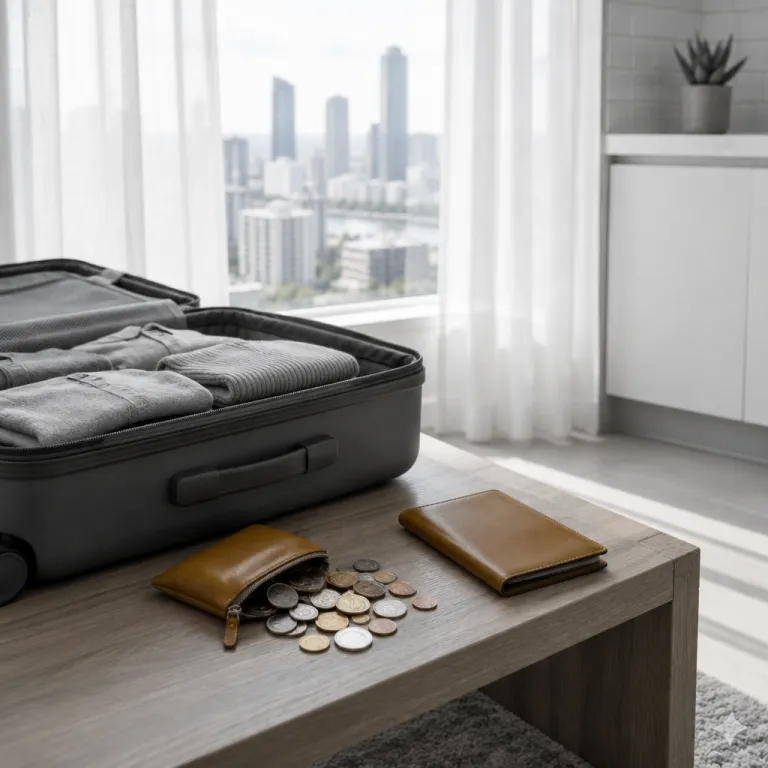
Why your long stay abroad is really a currency decision
A month in a luxury extended stay hotel abroad rarely feels like a financial gamble at first glance. The nightly rate looks fixed, but the exchange rate long stay hotel abroad cost can shift quietly while you sleep, reshaping what that suite with a kitchen and terrace truly costs in your home currency. Over several weeks, every credit card swipe, every cash withdrawal and every small foreign transaction can add layers of invisible fees that rival a room upgrade.
Think of your extended trip as two parallel choices ; the property you book and the way you move money across borders. The foreign currency you are living in, the exchange rates your bank applies and the transaction fees on each credit card or debit card payment will often matter more than a small discount on the nightly rate. When you are traveling abroad for thirty nights or more, the exchange rate long stay hotel abroad cost becomes a live variable, not a footnote.
Luxury and premium long stay hotels understand this dynamic, even if they rarely say it out loud. Revenue managers know that guests paying in a different currency will feel the bill differently when their bank completes the foreign exchange and adds any foreign transaction fee. For you, the executive stretching a business trip into leisure, the smartest move is to treat currency exchange and card agreement details as part of the hotel selection process, not an afterthought at checkout.
How payment methods reshape the real cost of your stay
The way you pay for a long stay abroad can change the final number more than a welcome amenity ever will. Use a credit card with high transaction fees and the exchange rate long stay hotel abroad cost can climb several percentage points above the headline room rate. Choose a debit card with low or zero foreign transaction charges and suddenly the same trip feels far better value.
Every time you authorise a transaction in a foreign currency, your bank or card issuer performs currency conversion and may add a transaction fee on top. Some credit cards, especially premium travel credit cards, waive foreign transaction fees entirely, while others quietly charge between 1 and 3 percent on every hotel bill, restaurant charge and atm withdrawal abroad. Before traveling abroad for a long stay, read your card agreement carefully so you understand how each card foreign charge will be treated and which cards should stay in your wallet.
American Express, Visa and Mastercard all handle foreign exchange slightly differently, and each bank layers its own policies on top. Many seasoned travellers carry at least two credit cards and one debit card, using the card with the best exchange rate and lowest fees for hotel bills while keeping a backup for emergencies. When you are planning a long trip that mixes business and leisure, align your payment strategy with your employer’s expense rules so you can pay local costs efficiently while still reconciling everything cleanly back home ; this is where a thoughtful revenue management strategy on your side meets the hotel’s own pricing sophistication, and where questions like when hotel living makes more sense than owning become surprisingly relevant to your financial planning, as explored in this analysis of the branded residence dilemma on extended-stay-hotel.com.
Dynamic currency conversion and why “pay local” usually wins
At many luxury hotels abroad, the most expensive question you will be asked is deceptively simple ; “Do you want to pay in your home currency or the local currency ?” This is dynamic currency conversion, a service where the hotel or its payment processor converts the foreign currency bill into your home currency at the point of sale. It feels convenient, but for long stays it often turns the exchange rate long stay hotel abroad cost into something far less favourable than your own bank would offer.
When you choose to pay local, your credit card network and issuing bank handle the foreign exchange using wholesale exchange rates plus any agreed transaction fees. Opt into dynamic currency conversion and the hotel’s processor sets its own exchange rate, which is usually weaker for you and may include extra fees baked into the currency conversion. Over a thirty night stay, that small difference in exchange rates can add up to the equivalent of several nights’ accommodation, especially if you are settling a large bill for a premium suite or serviced apartment style room.
The rule of thumb for extended stays is simple ; always pay in the local currency unless you have a very specific reason not to. Decline dynamic currency conversion on the payment terminal, even if the staff present it as the default, and let your credit cards or debit cards handle the foreign exchange instead. If you are still weighing whether an extended stay hotel or a serviced apartment offers better value for your trip, factor in not just the nightly rate but also how each property handles payments and currencies, using guides such as the practical decision comparison on extended-stay-hotel.com to frame the bigger picture.
Multi currency accounts, cash strategy and timing your payments
For a long stay abroad, especially in a luxury property where the bill runs high, multi currency accounts and specialist travel cards can be powerful tools. These accounts let you hold foreign currency balances, exchange money when rates are favourable and then pay local hotel bills directly from that balance. Used well, they can stabilise the exchange rate long stay hotel abroad cost and reduce your exposure to sudden swings.
Many modern travel focused debit cards link to such accounts, offering competitive foreign exchange rates and low or zero transaction fees at atms and point of sale terminals. You can load the card in your home currency, convert into the local currency through the app when you like the exchange rate and then use the debit card to pay the hotel without extra foreign transaction charges. This approach also helps you manage cash ; you withdraw only what you need in local currency from an atm, avoiding large amounts of physical cash that can be lost or stolen.
Prepaying a long stay can sometimes lock in a favourable exchange rate, but it also concentrates your risk if your home currency later strengthens. A balanced strategy is to secure a flexible rate in the hotel’s local currency, then use your multi currency account or travel credit card to stage payments over time as you monitor exchange rates. When you are comparing extended stay hotels and branded residences worldwide, resources like the analysis of 700 branded residences on extended-stay-hotel.com can help you understand how different property models treat long term guests, but your own payment timing and currency choices will still decide how much you truly pay.
Choosing destinations and reconciling expenses across currencies
For business leisure travellers, the choice of destination is increasingly a currency decision as much as a lifestyle one. A strengthening home currency can make a month in a premium extended stay hotel abroad feel surprisingly affordable, while a weaker home currency can turn the same exchange rate long stay hotel abroad cost into a serious budget stretch. When you are planning a trip that blends boardroom days with neighbourhood evenings, it pays to look at how your home currency has moved against the local currency over recent months.
From an expense management perspective, long stays generate a dense trail of transactions in foreign currency that must be reconciled back into your company’s books. Using a single primary credit card for hotel bills and major expenses simplifies this process, especially if that card has clear statements that show the original foreign exchange rate, any transaction fee and the final amount in your home currency. Many finance teams now prefer employees to avoid cash where possible, because card based payments create a clean digital record of every foreign transaction and reduce ambiguity around currency exchange and fees.
For your own sanity, keep a simple log of large payments in the hotel’s local currency alongside the amounts charged in your home currency on your cards. This makes it easier to see how exchange rates and foreign exchange margins have influenced the total cost of your stay, and to compare different trips over time. When you look back, you may realise that the neighbourhood where the barista knew your order was not just the most memorable ; it was also where your careful handling of currency conversion, card foreign charges and dynamic currency choices quietly protected your budget.
FAQ
How much can exchange rates change the cost of a long hotel stay abroad ?
Over a month or more, small shifts in exchange rates can change your total bill by several percentage points. If your home currency weakens against the local currency during your stay, every credit card payment and atm withdrawal will cost more in your home currency. Combine that with potential foreign transaction fees and dynamic currency conversion margins, and the impact can rival the cost of several extra nights.
Is it better to pay my hotel bill in local currency or my home currency ?
For most travellers, paying in the hotel’s local currency is better. When you choose local currency, your card network and bank handle the foreign exchange using their standard rates, which are usually more competitive than dynamic currency conversion at the hotel. Always read the payment screen carefully and decline any offer to convert the bill into your home currency at checkout.
Which cards are best for long international hotel stays ?
Cards that charge no foreign transaction fees and offer competitive exchange rates are usually best for long stays. Many premium travel credit cards and some specialist debit cards are designed for traveling abroad and publish clear policies on currency conversion and fees. Before your trip, compare your card agreement documents and choose one primary card for hotel bills, keeping a second card as a backup.
Should I prepay my long stay to lock in an exchange rate ?
Prepaying can lock in the current exchange rate, which helps if you expect your home currency to weaken. However, it also removes flexibility if your plans change or if your home currency later strengthens, making the stay effectively more expensive in hindsight. A flexible booking in local currency, combined with a strong travel card and careful timing of payments, often gives a better balance of price and flexibility.
How much cash should I carry for a long stay abroad ?
For luxury and premium extended stays, most expenses can be handled by cards, so you usually only need enough cash for small local purchases and tips. Using atms to withdraw modest amounts in local currency as needed reduces the risk of loss and lets you benefit from your card’s foreign exchange rate. Always check your bank’s atm withdrawal fees and choose machines from major banks rather than independent operators when possible.
Sources
Bank for International Settlements ; International Monetary Fund ; Financial Conduct Authority (UK).